Macau is a peninsula connected to mainland China. For four centuries, it was a Portuguese colony. This is a strange fact. Most former colonies in Asia were British. Portuguese colonization was rare in that region.
But this accident of history created the conditions for Macau to become the gambling capital of the world.
The Portuguese Period
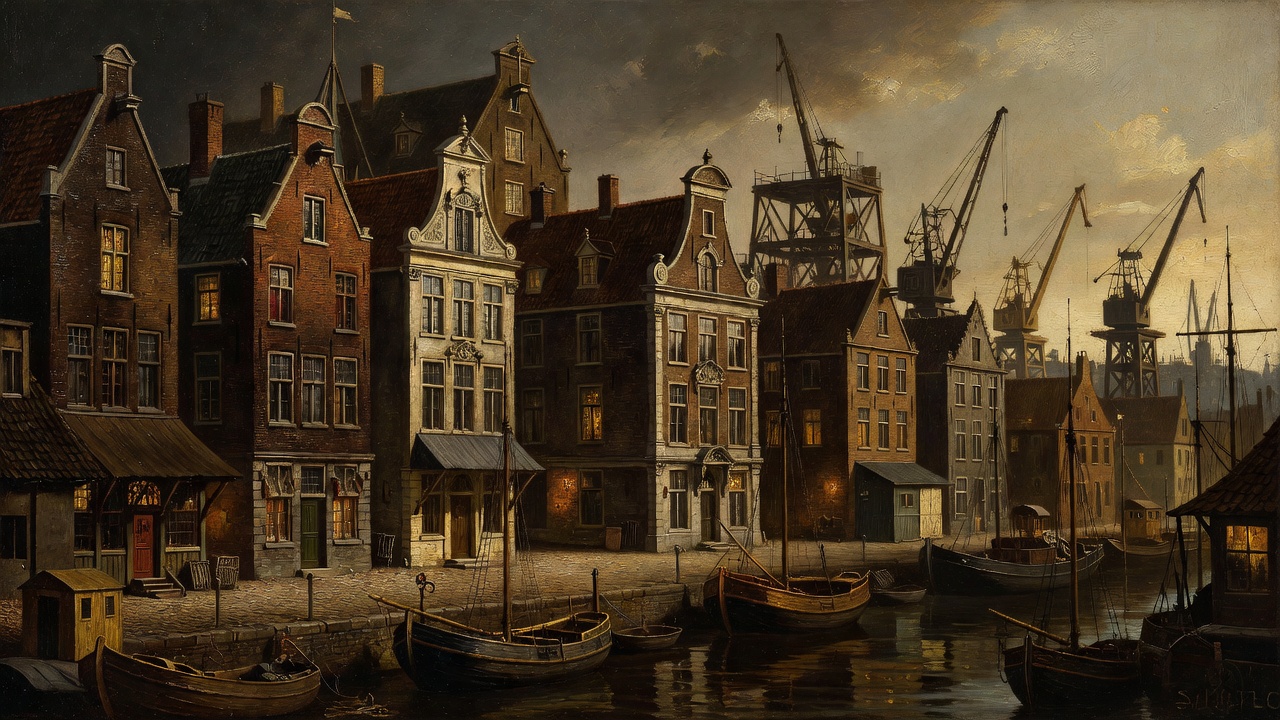
Portugal arrived in Macau in 1557. They established a trading post. For the next four hundred years, Macau was Portuguese territory.
But the territory was small. Just a few square kilometers. Not enough to sustain a major city on its own.
What kept Macau alive was trade. Goods from Europe passed through. Goods from Asia passed through. It was a shipping hub.
Gambling existed in Macau during the Portuguese period. But it was informal. Not legal. Not organized.
The Transition
Portugal's hold on Macau weakened as the British grew stronger in Asia. Britain took Hong Kong in 1841. China began opening trade routes.
Macau became less important as a trading hub. The economy declined. By the 20th century, Macau was struggling.
Then China changed the rules.
The Legal Monopoly
In 1962, Portugal granted a legal monopoly on gambling to a businessman named Stanley Ho. This was a pivotal decision.
Ho created the Gaming Inspection and Coordination Bureau. He regulated the casinos. He set standards. He collected taxes.
Gambling became legal and organized. Portuguese Macau became a gambling destination.
The Geography Advantage
Macau is right next to Hong Kong. Hong Kong is rich. Hong Kong also prohibited gambling (mostly). This created demand.
Wealthy Hong Kong residents could take a ferry to Macau. Thirty minutes. Gamble legally. Go home.
The geography meant that Macau captured the Hong Kong market.
The Growth Period
From 1962 to 1990, Macau developed slowly but steadily. The casinos expanded. More hotels were built. The reputation grew.
But the growth was limited by Portuguese control. Portugal was conservative. They did not want Macau to become too wild.
Then in 1999, Portugal handed Macau back to China.
The Chinese Period
China took control of Macau under the "One Country, Two Systems" arrangement. Macau retained its autonomy. Gambling remained legal.
But now Macau had access to one and a half billion people across China. The demand exploded.
Businessmen from Shanghai. From Beijing. From all over China. They came to Macau to gamble. It was legal. It was close. It was available.
The Operator Competition
China opened Macau to competition. Stanley Ho's monopoly ended. Now multiple operators could run casinos.
This created a building boom. The Venetian opened in 2007. The MGM opened. The Wynn opened. New casinos were built faster than anywhere else in the world.
Each casino was bigger and more luxurious than the last. The arms race was intense.
The Design Focus
Macau casinos were designed to appeal to Chinese money. The colors were chosen carefully. Gold. Red. Lucky numbers.
The casinos featured special gaming areas for high rollers. VIP rooms. Junket operations. Complicated mechanisms to move money.
The architecture communicated: this is a place where wealth is welcome.
The Revenue Explosion
The numbers are staggering. In 2000, Macau's gaming revenue was around 700 million dollars. By 2010, it was 30 billion dollars.
Macau had become bigger than Las Vegas. Much bigger. The world's largest gambling center.
This was not a slow process. It was explosive growth driven by access to Chinese money.
The Geographic Specificity
What made Macau work was not anything about gambling specifically. It was geography.
Macau was close to the money (Hong Kong and China). Macau was legal. Macau was trusted.
If Macau had been on the other side of the world, it would have failed. But it was in the right place at the right time.
The Recent Changes
In recent years, China has restricted outbound money flows. Controls on currency have tightened.
This has hurt Macau gaming revenue. The junket operators are struggling. The relationship between China and Macau has become more complicated.
But Macau remains the world's largest gambling hub. The casino buildings are still there. The traffic is still there. The money still flows, just less abundantly than before.
The Final Lesson
Macau teaches us that gambling success depends on geography and policy. A casino in the wrong place fails. A casino in the right place thrives.
Macau was the right place. Geographically positioned near huge markets. Politically independent enough to allow gambling. Portuguese enough to have a legal framework.
When all these factors aligned, Macau exploded into the world's largest gambling center. Not because of superior gaming technology. Not because of better marketing. But because of geography and luck.