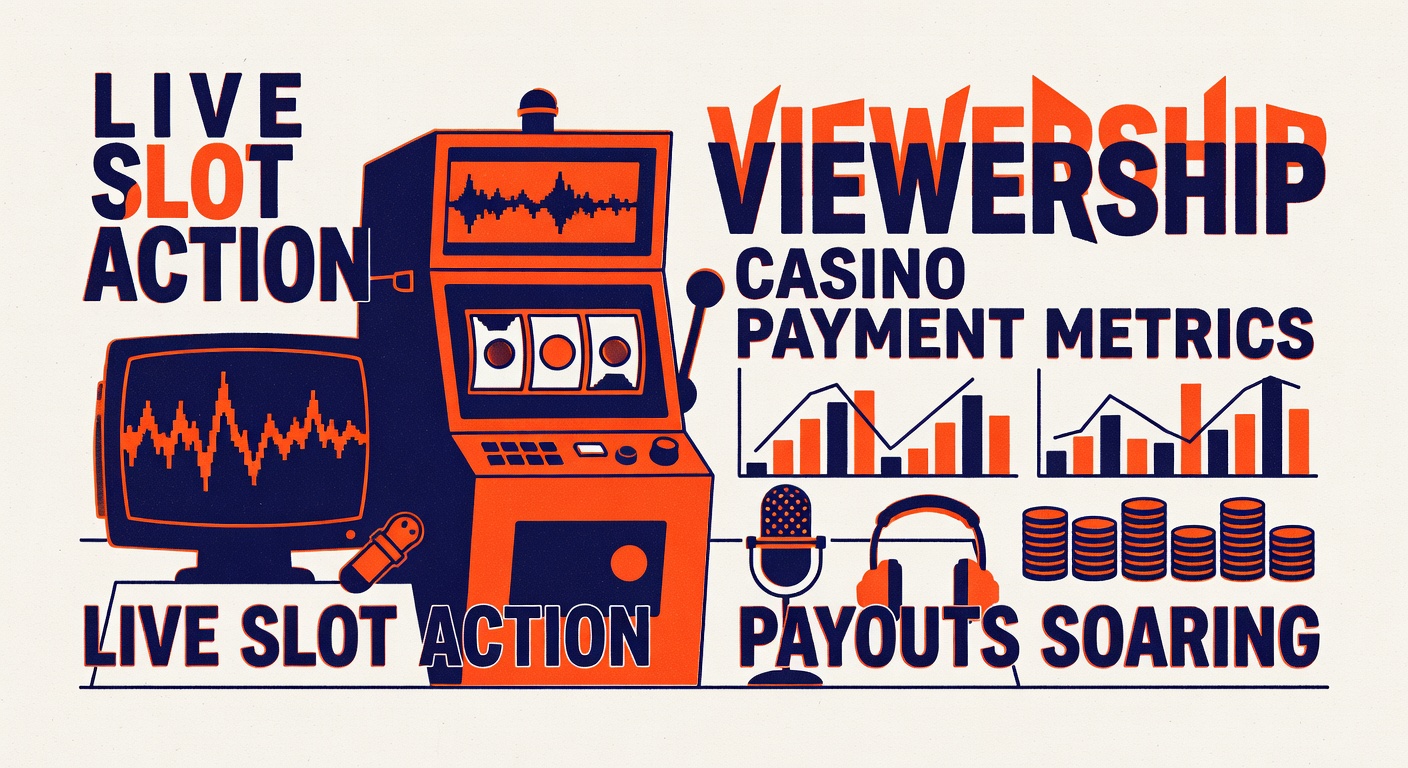
Slot streaming is a parasocial phenomenon. Streamers play slots on camera. They win sometimes, lose mostly. Viewers watch for entertainment and for the illusion of learning how to beat slots.
From an economic perspective, it's a three-way trade: streamers get paid by casinos, viewers get entertainment, casinos get customers.
But it's changed how people approach slots.
Before Streaming (Pre-2015)
Slots were individual activity. You played at a casino or online alone. You either won or lost. No audience.
Slot knowledge was limited to casino floors and gambling forums. Misinformation spread freely. "Loose slots are near the entrance," "This machine is due," "I have a system."
New players had no good information.
Streaming Changed Things
Xposed Twitch, Pokerstars, and other streamers began broadcasting themselves playing slots.
Now thousands of viewers could see actual gameplay. They watched outcomes. They saw variance in real-time.
This revealed the truth: slots are random. The streamer wins sometimes, loses usually. No pattern emerges.
Viewers still believed in patterns, but now they had more information to work with.
The Economic Impact
Streamers changed player behavior. More people gamble now. Exposure increases demand.
Casinos pay streamers to play on their platforms. Stake.com pays significant money for streamer partnerships.
Streamers earn from:
- Casino affiliate commissions (they get 30-50 percent of losses from viewers they refer)
- Direct sponsorships (casinos pay for content)
- Viewer donations
A successful slot streamer can earn 10,000-50,000 dollars monthly from casinos alone.
This creates incentive alignment problems. The streamer's income depends on viewers gambling. They're incentivized to make gambling look fun.
The Information Asymmetry
Streamers don't disclose their real results. A successful stream shows wins. Losing sessions are often not streamed or are edited out.
Viewers see survivorship bias. They see winners, not the months of losses.
A viewer thinks: "If this streamer can win, I can too." They don't see the 30 losing sessions that happen off-camera.
The Cultural Shift
Slots transformed from solitary activity to social event. Watching someone else play slots is entertainment now.
This has increased participation, especially among younger people. Gen-Z viewers are more likely to gamble because slot streaming normalized it.
Regulators have noticed. UK regulators have called for stricter controls on gambling advertising on streaming platforms. Many streamers now disclaim that gambling is entertaining, not profitable.
The Sustainability Question
Slot streaming is profitable for streamers in the short term. Casino affiliate fees are high.
But casinos' profitability depends on viewer-turned-players losing money. As more viewers become players, the average loss per player needs to be high to justify the marketing spend.
Evens odds is that streaming growth continues, but casino profitability from that growth declines (because more players means more losses to track and compensate).
The Macro Take
Streamers changed slots from a solitaire activity to a spectator sport. This increased cultural penetration and participation.
It also increased exposure to misinformation ("I have a system") alongside more accurate information (variance is real).
Net effect: more gambling, broader demographics, higher awareness of variance.
Whether that's good or bad depends on your perspective. It's definitely changed.