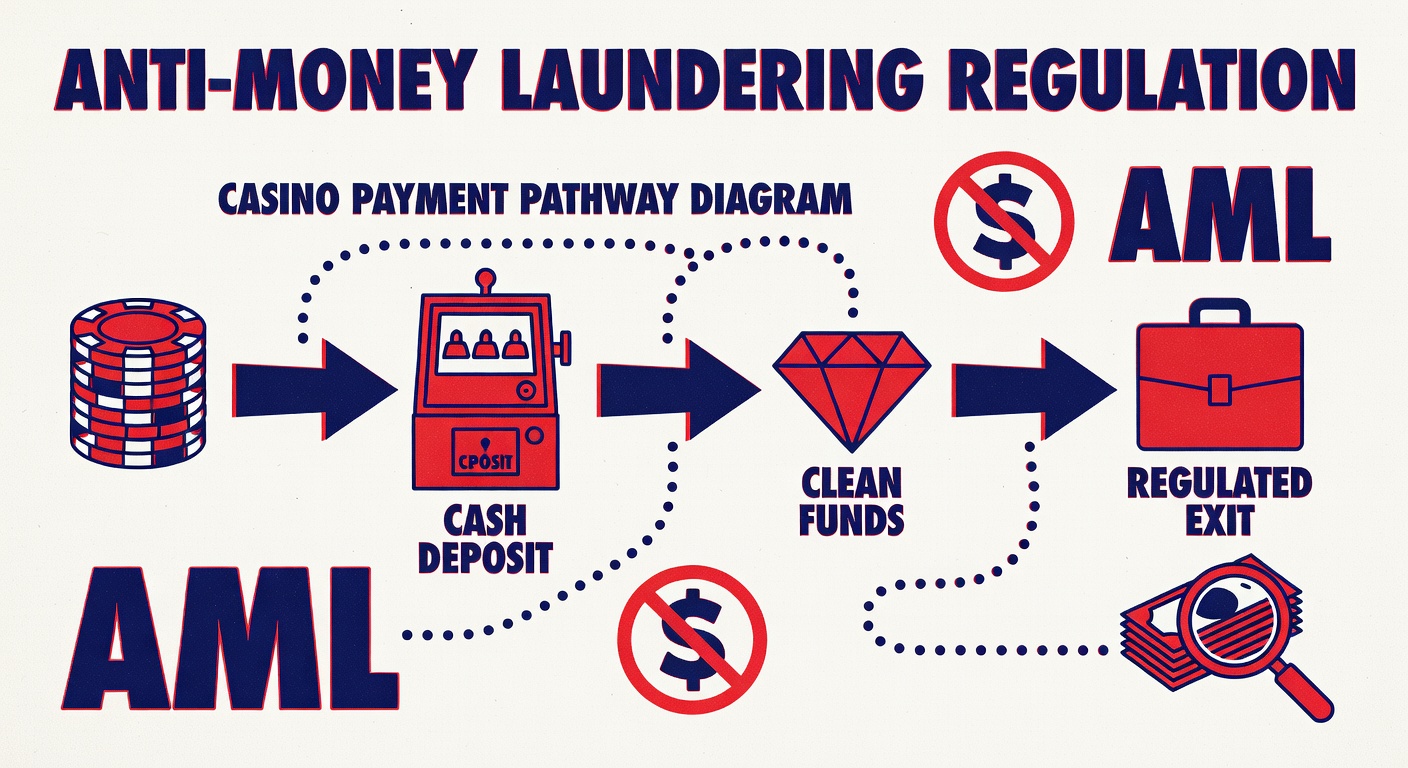
A gentleman arrived at a Macau casino with 10 million dollars in cash. This was 2008. He wanted to buy chips and play. The casino had to stop him. The amount triggered what is called a Suspicious Activity Report (SAR). Under anti-money laundering rules (AML rules), the casino cannot just take large cash deposits without questioning the source.
The gentleman provided documentation: a letter from his bank explaining that the money was his. Business income. He paid taxes on it. His account was legitimate. The casino verified this with the bank. Satisfied, they allowed him to play.
But this is the moment where casinos became enforcers of financial regulation. They were not regulated like banks before this. Then the global financial crisis happened, and suddenly every casino with a gaming license had to comply with AML rules or lose their license.
Casinos under MGA regulation (Curacao, Malta), UKGC regulation (United Kingdom), and local regulations all have to do KYC (Know Your Customer) verification. They collect identification, verify it, and keep records. They monitor transactions for suspicious patterns (consistent large deposits from new players, rapid cash-out after large win, structured payments to avoid reporting thresholds).
When you withdraw 50,000 Naira from Bet9ja or Stake, they have verified your identity, your bank account, and your source of funds. This takes time and costs money. The casino passes some of this cost to players through withdrawal fees and limits.
The Payment Method Restriction
Some payment methods are restricted because they are harder to trace. Cash payments cannot be traced to a source. Cryptocurrency can be traced on-chain but not to a person. Traditional bank transfers are fully traceable and therefore preferred by casinos.
Bet9ja might let you deposit via Naira bank transfer but restrict cash deposits. This is AML strategy: traceability beats anonymity from a casino's perspective. The casino wants a trail they can show regulators.
The Withdrawal Question
A player wins 1 million Naira at Stake. They request a withdrawal to a cryptocurrency wallet instead of their original bank account. The casino flags this. Why? AML rules require "beneficial ownership" verification: the casino needs to confirm that the person withdrawing is the same person who deposited.
When a withdrawal goes to a different method than the deposit, red flags rise. The casino has to verify that it is still the same person (through ID confirmation, sometimes through a phone call). This slows withdrawal processing time and creates frustration for players.
The Threshold Question
Under FIRS rules in Nigeria, deposits above 500,000 Naira trigger a report to authorities. Online casinos operating in Nigeria technically should be reporting these. Casinos registered in other jurisdictions (Curacao, Malta, Georgia) may have different thresholds. This is why a player's experience differs based on which casino they use.
A player deposits 600,000 Naira at a FIRS-compliant casino. The casino files a report. A player deposits 600,000 Naira at a Curacao-licensed casino. No report is filed in Nigeria (the Curacao casino reports to Curacao authorities, not Nigeria).
The Practical Effect
AML rules have made casino payments slower, more documented, and less anonymous. This is by design. Regulators wanted to eliminate anonymous gambling, and they largely have. Every deposit and withdrawal is tracked.
For legitimate players, this is fine. For players trying to move money secretly, it is a problem. For organized crime, it is a problem. For money launderers (who were the original reason for AML rules), it is a serious obstacle.
The cost is that casinos have to hire compliance staff, maintain records, and process withdrawals more slowly. These costs are passed to players through reduced bonuses, higher withdrawal fees, and slower payment processing.
A withdrawal that would have taken 24 hours in 1995 now takes 3-5 business days because of verification requirements. This is the practical cost of AML.