I have dealt baccarat at high-limit tables for twenty years. I have seen thousands of people arrive with money. I have learned which deposit methods work best for table games. The answer depends on several factors.
First, speed matters. A player who deposits quickly can get to the table quickly. A player delayed by payment processing loses momentum. They might change their mind. They might play less.
Credit cards are fast. The casino processes them instantly. The money appears in your account. You can play immediately. But credit cards have the disadvantage of being reversible. A player might dispute a charge later. The casino prefers deposits they cannot reverse.
Bank transfers are slower initially but irreversible. You send money from your bank. It takes several hours or days to clear. Once cleared, the casino knows the money is real. No reversal possible.
Crypto is instantaneous if you use the right blockchain. Bitcoin on Lightning takes seconds. Ethereum takes minutes. Solana takes seconds. But not all high-limit rooms accept crypto. The infrastructure is still developing.
Paypal is fast if the casino accepts it. But many high-limit casinos do not because of regulatory issues. PayPal has its own rules about gambling.
The Psychological Element
The deposit method affects psychology. A player who deposits large amounts feels the weight of real money leaving their account. This changes behavior. A player who deposits via credit card might feel less psychologically committed because it is abstract.
High-limit players often deposit multiple times during a session. They bring a bankroll of fifty thousand but deposit in five-thousand-dollar increments. This allows them to control their loss limit psychologically. Each deposit is a conscious choice.
The casinos prefer this. Multiple deposits mean multiple chances for the player to recommit. Each deposit is a moment where they could stop but choose not to.
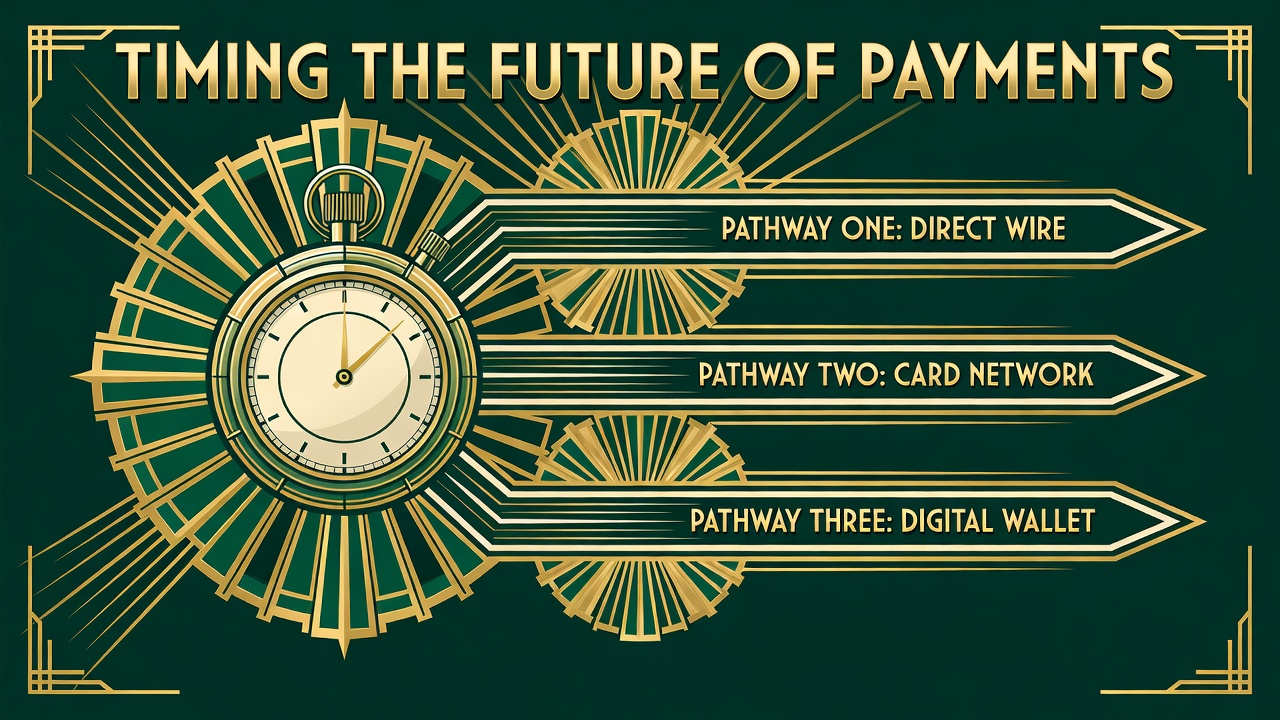
Wire transfers are common for high-limit players because the amounts are large. A fifty-thousand-dollar wire transfer is made before arrival. The money is waiting. The player can play immediately upon arrival.
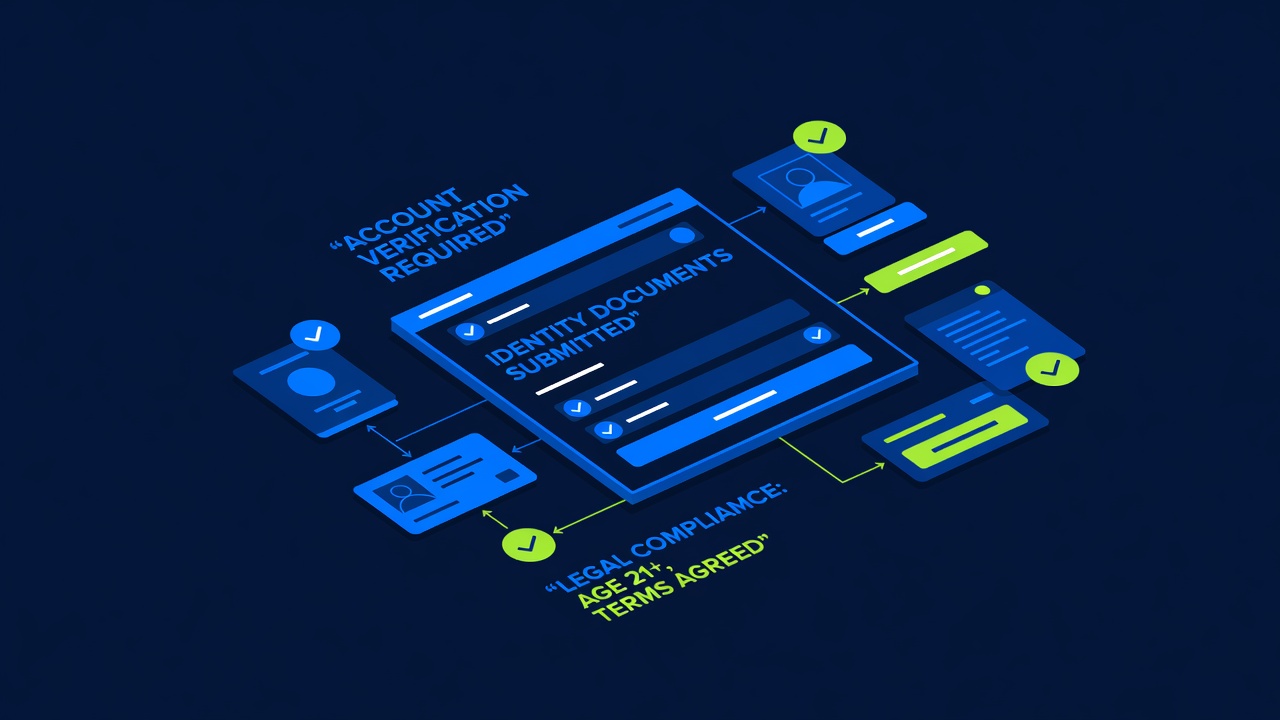
Some casinos require wire transfers for very large amounts. The casino wants to verify that the money is real before the player sits at the table.
Cash is becoming less common because it creates tax and regulatory complications. Large cash deposits trigger reporting requirements. Both the casino and the player have regulatory obligations. Wire transfers are cleaner.
The best deposit method is the one that lets you play immediately and commits you psychologically to the session.
For table game sessions specifically, speed is critical. Table games move slowly. A player sitting at a table for eight hours wants the deposit to have been completed before they arrived. Delays are frustrating.
For players coming back repeatedly, establishing a line of credit is useful. The casino extends credit based on the player's history. The player can sit at the table and bet immediately. The settlement happens later.
Credit lines are available only to the highest-value players. The casino is betting that the player will lose enough to cover the credit extended. This only makes sense if the player's history suggests consistent losses.
Some players prefer to deposit small amounts and reload frequently. This maintains psychological control. Each new deposit is a decision point where they could stop. This is actually responsible if it prevents them from betting their entire bankroll at once.
Other players prefer to deposit large amounts once. This allows continuous play without interruption. This is riskier because there is less opportunity to stop and reassess.
From my position at the table, I observe all of this. I see a player deposit via credit card and play aggressively. I see a player wire transfer fifty thousand dollars and play carefully, protecting the capital. The deposit method tells me something about how the session will go.
But the fundamental truth is that all deposit methods get the money to the casino. The casino has it now. The player has given control away. How it got there matters less than the fact that it got there.