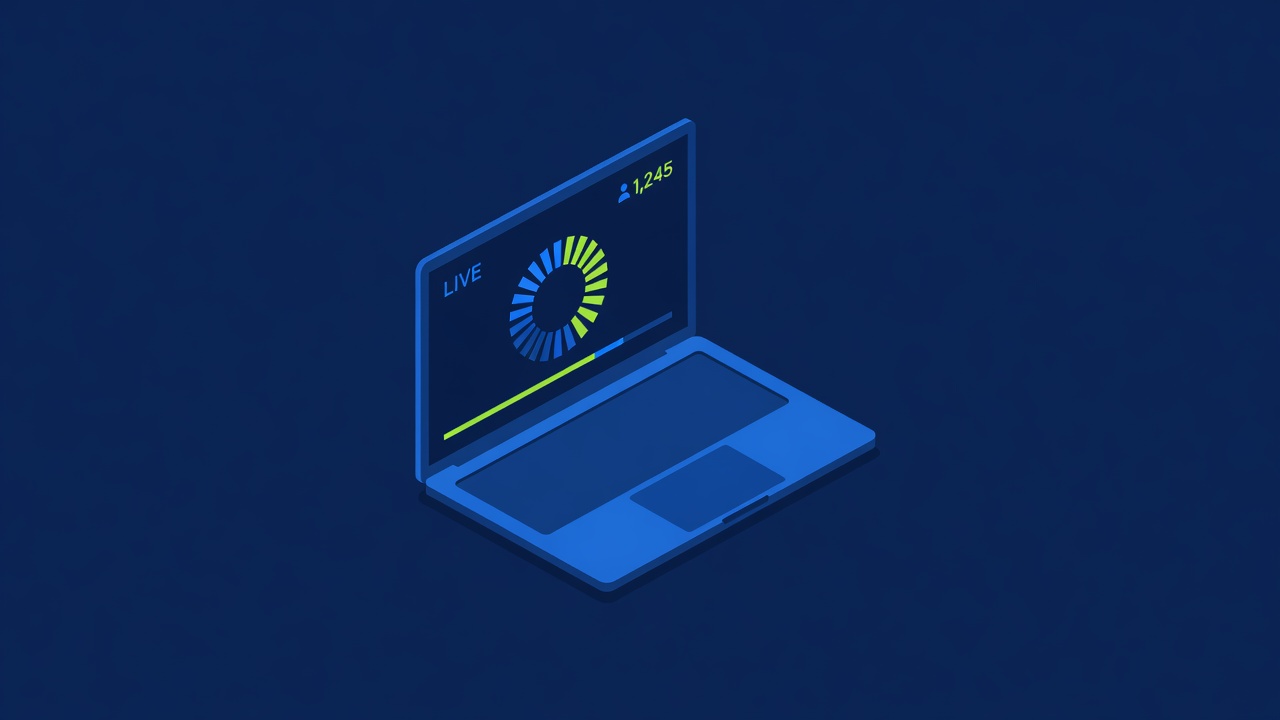
Mobile crypto casinos are a thing now. You download an app, log in, and play live blackjack. The dealer is streamed to your phone. Your bet is submitted via the app. The game resolves. Your wallet updates.
But mobile adds friction that desktop does not have. The screen is small. Streaming video to a small screen requires compression. Compression reduces latency reliability. Your decision time is shorter because the screen updates are slower.
A mobile live casino experience is fundamentally compressed. Instead of a full casino interface, you get a simplified version. The game flows faster. The dealer is smaller. The chat is minimal. The experience trades polish for speed.
For crypto casinos, this is a feature. Crypto casinos optimize for throughput. Fast games mean high volume. Mobile enables faster games because the interface is simpler and the session time is shorter. A player on mobile plays for 20 minutes and leaves. A player on desktop plays for 60 minutes. The mobile player generates less revenue per session but more sessions per day.
Bandwidth and Latency
Mobile live streaming uses adaptive bitrate. The app adjusts the video quality to match your connection speed. On 4G LTE with good signal, quality is decent. On 4G LTE with poor signal, quality degrades. The trade-off between quality and latency is constant.
Latency is critical in live casino. If the dealer's action is delayed by 2 seconds, you perceive it as lag. The game feels slow. The psychological experience degrades. Mobile adds 200-400ms of additional latency compared to desktop because the mobile device has a slower processor and slower network stack.
For roulette and baccarat, latency does not matter much. The decision point is before the wheel spins. You have time to decide. For blackjack, latency matters more. The dealer is waiting for your decision. If your interface is slow, the dealer waits longer. The session slows down.
Battery and Data
Streaming video drains battery. A desktop computer can stream for hours. A mobile phone depletes battery in 60-90 minutes of continuous streaming. This naturally limits session length, which is a form of player protection.
Data consumption is significant. An hour of video streaming uses 500MB-1GB of data. Most mobile plans include 5-10GB monthly. A player who streams 2 hours daily uses 30-60GB monthly, which exceeds most plans.
These limitations create natural friction. They force players to take breaks. They make extended sessions difficult. This is good for player protection. A player cannot mindlessly stream-and-bet for 8 hours on mobile. The technical limitations prevent it.
The Experience Gap
Players who play desktop live casino then switch to mobile are usually disappointed. The game is smaller. The controls are harder. The experience is more rushed. But players who start on mobile find it normal. They have no reference point for the desktop experience.
Crypto casinos market mobile aggressively because mobile players are a new cohort. They have not experienced regulated casinos. They do not know what they are missing. They play on mobile and find it acceptable.
What Changed
Five years ago, mobile live casino was impossible. The bandwidth and latency were too high. Today, it is routine. Technology improved. The market adapted. Players now expect live casino on mobile as a baseline feature.
For crypto casinos, mobile is a strategic advantage. Crypto players are younger and more mobile-native than traditional casino players. They expect casino to work on their phones. Crypto casinos that get mobile right win the market. Crypto casinos that neglect mobile lose players.