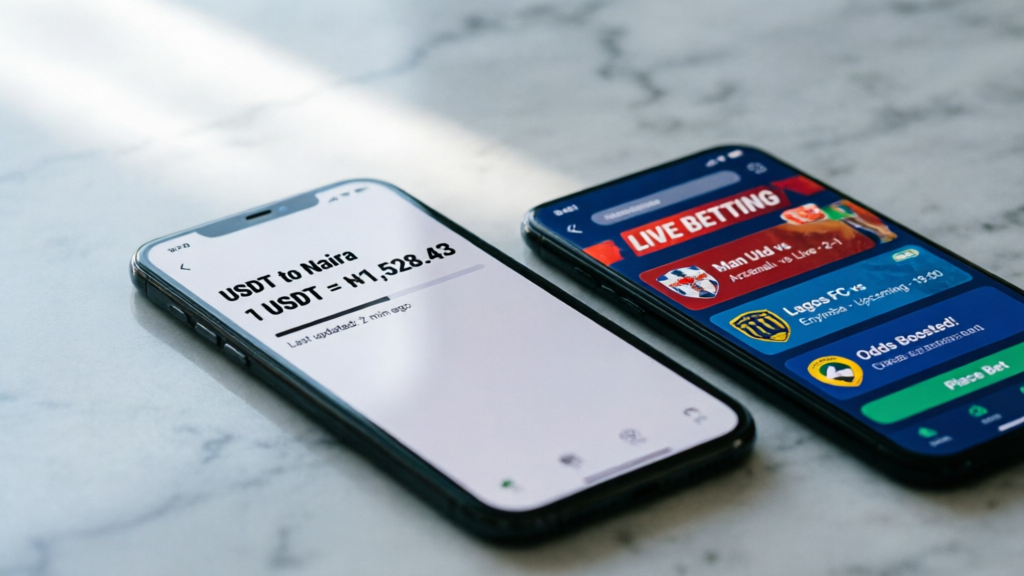
You walk into the interface. The lights hit you immediately. Red felt. Green felt. Chips stacked high. Cards in the air. A dealer's face on your screen, and that face is real. Not a random-number generator. Not an animation. A human being dealing your hand right now.
This is live casino. And when crypto met live casino, something shifted.
Before crypto, live dealers were exclusive to high-limit rooms and luxury operators. The Wynn had live games. Caesars had live games. You came to the property. You sat at the table. You paid the VIP premium. The infrastructure was expensive: studios, dealers, managers, compliance staff, real estate. Only established casinos could afford it.
Crypto casinos rethought this. They did not build their own studios. They partnered with studios in Tbilisi, Manila, and Prague. Evolution Gaming was the first major provider. They stream to hundreds of operators. Each operator runs their own white-label version. Same studio. Same dealers. Different branding.
The Economics That Made This Possible
Crypto operators do not care about the regulatory burden. Traditional casinos do. A new casino license in Nevada costs millions and takes years. A crypto casino can start accepting players in weeks. They do not need a physical location. They do not need a gaming floor. They need a website and a payment processor.
This means the barrier to entry is low. More casinos compete. More casinos want live games. More casinos are willing to outsource to external studios. The studios respond by building more capacity.
Evolution Gaming now has studios in twelve locations. They have hundreds of tables. They stream 24/7. Each table goes to multiple casinos. The same roulette wheel is watched by players from DraftKings, Bet365, and Crypto.com simultaneously. Different cameras. Different streams. Same table.
The technology is straightforward. Cameras record the table action. Encoders compress the video. Servers push it out to the operators. The players see the video and can interact with the game. The casino software sends the player's action back to the studio. The dealer sees it on a monitor and executes the action.
Why Crypto Casinos Wanted Live Dealers
Players trust live dealers. A random-number generator is invisible. You have to believe the casino that the shuffle is fair, the probabilities are true, and the house edge is what they claim. A live dealer is verifiable. You watch the game happen. You see the cards come out. You see the dealer announce the results. There is less psychological space for suspicion.
Crypto casinos, by definition, appeal to players skeptical of traditional finance. They want to verify things. They do not want to trust a black box. Live dealers provide that verification. They are a form of proof.
The Integration at the Platform Level
Where the integration gets interesting is in the software layer. A crypto casino's player account feeds into the live dealer software. Your crypto wallet is connected. You place a bet in Bitcoin. The system converts it to the display currency. The table sees your bet. The dealer acknowledges it. The hand is played. The result is posted. Your wallet is updated.
All of this happens instantly. Settlement is immediate. This is faster than traditional banking. A player at a DraftKings live table waits 1-3 business days for a withdrawal. A player at a crypto casino can send crypto to their wallet and move it immediately. The speed is a feature. The feature drives players.
Some crypto casinos go further. They build their own blockchain-based provably fair systems. The player can verify the house did not manipulate the hand. The deck was shuffled fairly. The cards dealt were not predetermined. This is overkill for a live dealer game, but some operators do it anyway. The value proposition is maximum transparency.
Where The Integration Is Heading
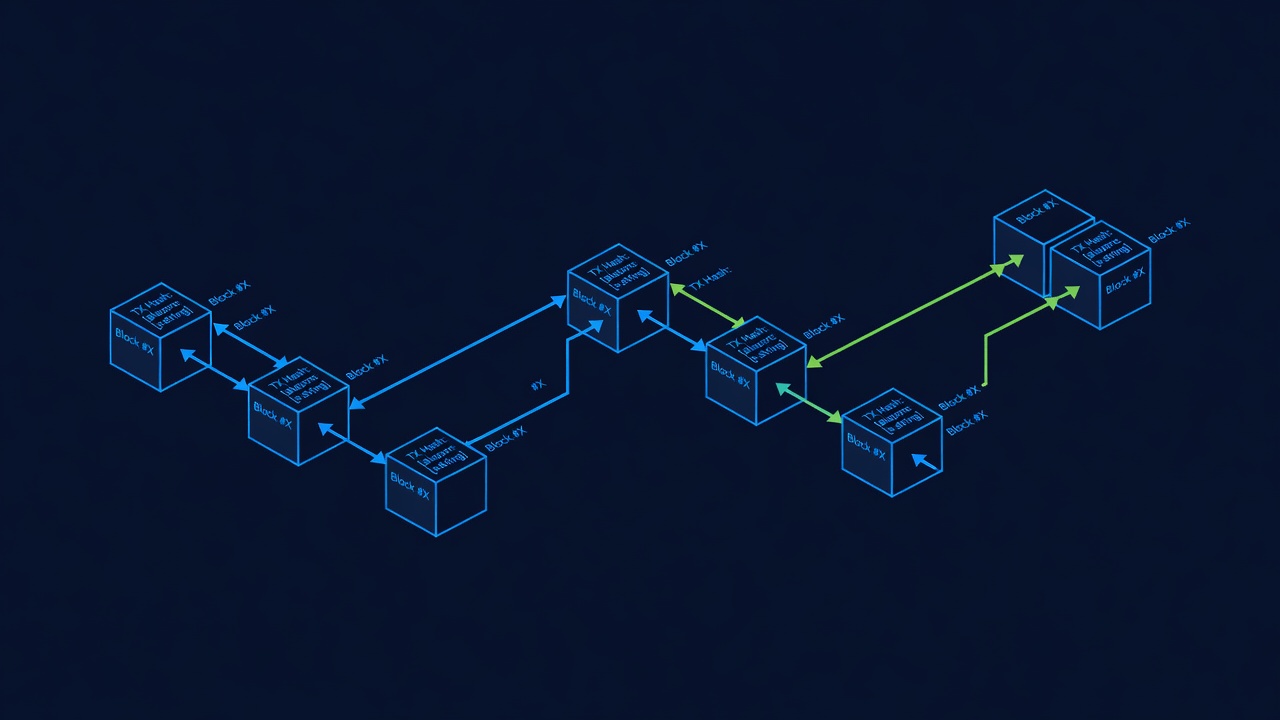
The next step is payment tokenization. Some studios are experimenting with streaming directly to the blockchain. Your bet is recorded on a smart contract. The result is recorded on chain. The payout is atomic. It happens at the protocol level, not at the casino level.
This eliminates the need for trust in the casino. The casino is just the software interface. The blockchain is the arbiter. This is still experimental. But it is coming.
For now, live dealers at crypto casinos are straightforward: take the Evolution feed, white-label it, connect the player account, send the bets, receive the results, update the wallet. The experience is premium. The player is getting a real dealer. The backend is automated and fast. The margins are thin because the casino does not own the studio. But the volume is high. Crypto casinos run thousands of tables daily. The economics work.