Bitcoin had been around for three years when Erik Voorhees built SatoshiDice in 2012. It was not complicated: pick a number, roll the dice, win or lose. The appeal was not the game mechanics, which were pedestrian. The appeal was that no casino could cheat you. The house could not move the goal posts. The blockchain was the auditor, always present, always skeptical.
This was novel enough to matter. SatoshiDice grew to handle 5% of all Bitcoin transactions at its peak. Visa was moving money faster than Bitcoin. SatoshiDice was still winning the hearts of early adopters because the ledger could not lie. You could verify every hand. The code was transparent. If the operator wanted to steal, they would have to rewrite the whole history.
But SatoshiDice had a ceiling. Dice is repetitive. The house edge is simple to calculate. Players want variety: slots with more states, table games with more decision points, live dealers they can watch and chat with. Voorhees sold the site in 2013. The next wave of builders took the cryptographic foundation and built upward.
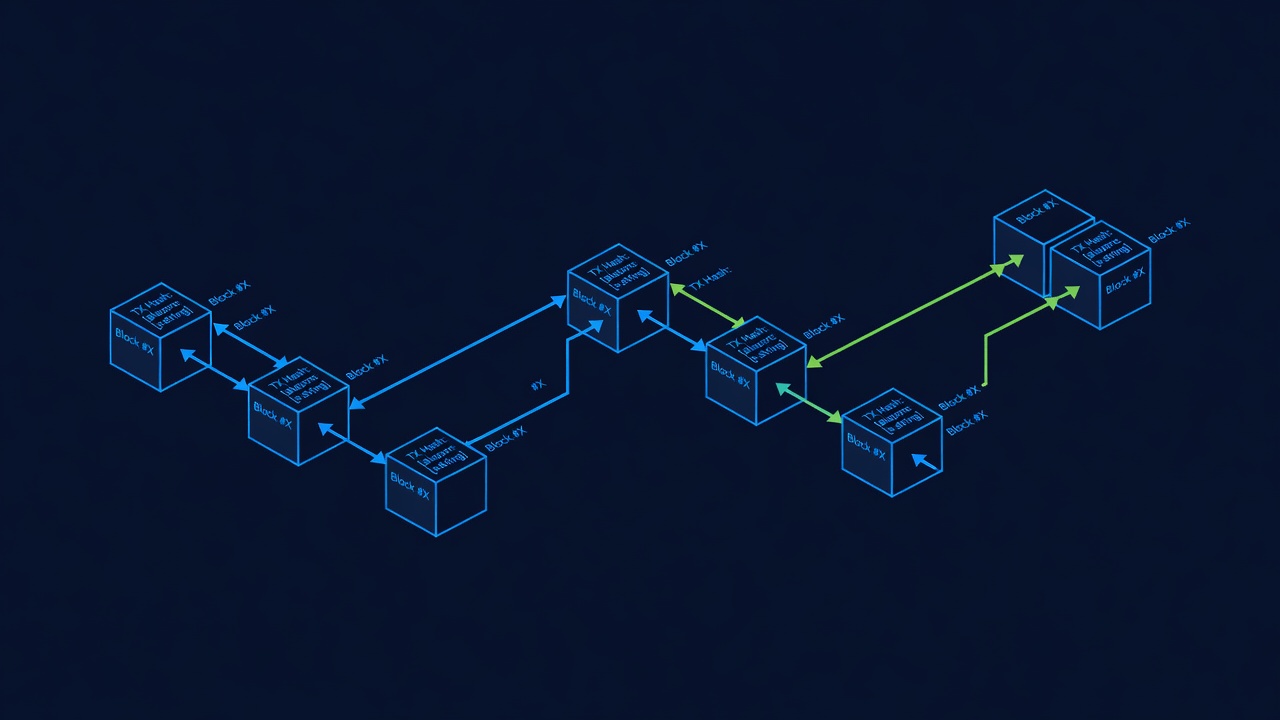
Provably fair games became the standard. Casinos publish the hash of the seed before each bet. After the bet resolves, the player can verify the outcome against that hash. The math is tight. The trust model is different from a regulated casino. Instead of believing the regulator, you believe the cryptography. You are not trusting a person. You are trusting mathematics.
The Fragmentation
By 2017, the ecosystem had fragmented badly. Ethereum casinos emerged. New altcoins spawned gambling platforms. ICO-funded ventures promised better RTP, lower house edge, player ownership through tokens. Most of them failed. Some operators were straightforward scams. Others simply chose bad technology stacks that made the platform slow or unresponsive.
The ones that persisted were the ones that handled the boring infrastructure well: fast payouts, responsive support, clean UI, and reliable servers. This is the unsexy truth about gambling platforms. Players care less about crypto philosophy than they do about getting their money out in two hours instead of two days.
Crypto casinos of 2024 look almost nothing like SatoshiDice. Live dealers via video stream. Slot machines themed like consumer products. Sportsbook integrations. Loyalty programs. Affiliate programs. The only thing that remains is the underlying promise: the blockchain cannot move the goalposts. Every transaction is permanent. Every win is final.
This is not a unique advantage anymore. Regulated online casinos in the US and Europe also publish their RTP. The UKGC audits them. The MGA checks their math. The difference is semantic. An American player trusts the regulator. A crypto player trusts the code. Both arrangements have their strengths. Neither is inherently superior.
What remains interesting is the speed of innovation. Traditional gaming regulation moves in years. Crypto platforms iterate in weeks. A new game format appears, gains traction, gets copied, then gets refined. The winners are the operators who can move fast and maintain good customer service. The losers are the ones who build on shaky tokenomics or overpromise yield.
The journey from dice to casinos was not inevitable, but it was predictable. Once the core insight was proven (blockchain transactions cannot be reversed), the elaboration followed naturally. Add more games. Add more features. Add regulatory complexity. Add jurisdictional weirdness. By 2024, a crypto casino is not much different from a traditional one except in how it settles money and which regulator it answers to.
SatoshiDice was a proof of concept. It proved that you could build a casino with no central authority making the rules. The subsequent twelve years proved that players wanted more than just fair games. They wanted the full casino experience. Crypto provided the payment layer. The games came from everywhere else.