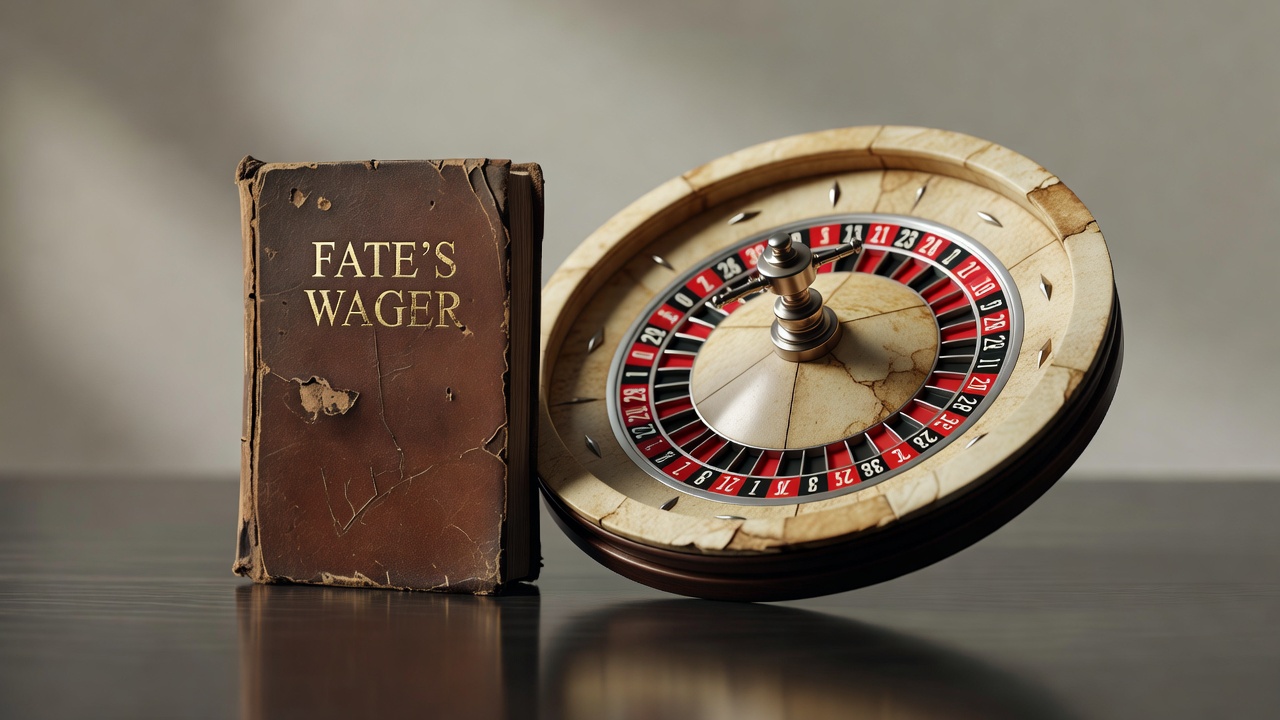
Fyodor Dostoevsky wrote The Gambler in 1866, and the book has the frantic quality of something written in real time. Dostoevsky himself was a gambler. He had spent years accumulating debts. He had lost money at roulette in Germany. He knew whereof he wrote. The novel reads like a confession.
The protagonist is Alexei, a tutor in a Russian household, attached to a dying grandmother who controls the family's fortune. Alexei loves the grandsons, or thinks he does. He makes a wage that allows him no independence. He is trapped in a liminal space between servitude and desperation.
Then he discovers roulette. There is a casino in a nearby German spa town. The game is available to him. And suddenly Alexei believes that he has found the path to freedom. If he can win at roulette, he can pay his debts. If he can win at roulette, he can become independent. If he can win at roulette, he can escape his circumstances.
The Machinery of Obsession
What Dostoevsky captures that later gambling writers did not is the specific texture of obsession. It is not that Alexei wants money. It is that Alexei wants the particular feeling that comes from putting money on the roulette wheel and watching the ball drop. It is not rational. It is cellular. He is not thinking anymore. He is reacting.
The novel follows his descent over a few days of intense play. He wins sometimes. He loses more often. The pattern accelerates. He borrows money to continue playing. He wins again. He doubles down. The sense of control he felt at the beginning evaporates. He is no longer playing because he believes he can win. He is playing because he cannot stop.
Dostoevsky is writing about something that gambling literature would articulate more clearly a century later: addiction is not about wanting money. It is about wanting the feeling that the game produces. The pursuit, the risk, the moment of resolution when the ball lands. This is the actual product. Money is secondary.
Alexei's psychology is particularly interesting because he is educated. He understands odds, at least intellectually. He understands that the game is designed so that the house wins over time. But this knowledge does not penetrate to the part of him that plays. The knowledge is in his head. The compulsion is in his body.
The grandmother arrives in the town and plays the roulette wheel herself, somewhat successfully. Alexei watches her with a mixture of recognition and contempt. She is doing exactly what he does. She is chasing the feeling. She thinks she can win if she finds the right system, the right moment, the right sequence of numbers.
Dostoevsky knew that roulette does not promise money. Roulette promises transformation. The promise is that if you bet enough, risk enough, you will become someone else.
No character in The Gambler actually wins significantly. That is the book's real argument. The game consumes everyone who plays it. Alexei loses everything. The grandmother loses some money but retains her dignity by eventually walking away. The other players in the spa town all show signs of the same obsession Alexei feels.
What is extraordinary is that Dostoevsky captures not just the losing but the specific pain of it. The recognition that you are about to make a decision you know is wrong. The moment of placing the bet anyway. The desperate hope as the ball spins. The instantaneous death of that hope when the ball lands on black instead of red.
In contemporary gambling literature, we talk about problem gambling as a disease, a disorder, something chemical in the brain. That framing is useful for treatment. But Dostoevsky was writing about something simpler and older. He was writing about the human capacity to believe that the next spin will be different, that the system will work, that disaster is always one bet away from being reversed.
The Gambler remains relevant because it is about human nature, not about roulette. The game could be cards, could be horses, could be stocks. The machinery is the same. The man who believes he can control chance, who believes he understands the system, who is willing to sacrifice everything for the feeling of possibility. This character predates casinos. This character will outlive them.