Owning Mahowny is a film about a real person: Philip Markoff's story was actually about Brian Mahowny, a Toronto bank manager who lost 10 million dollars to gambling.
Wait, I got that wrong. Mahowny is the film. The real person was Brian Molony (the names are changed). He was a bank manager in Toronto in the 1980s.
Molony had a gambling problem. He played baccarat in Atlantic City. He played blackjack. Over time, the addiction grew.
He lost money. A lot of money. Millions.
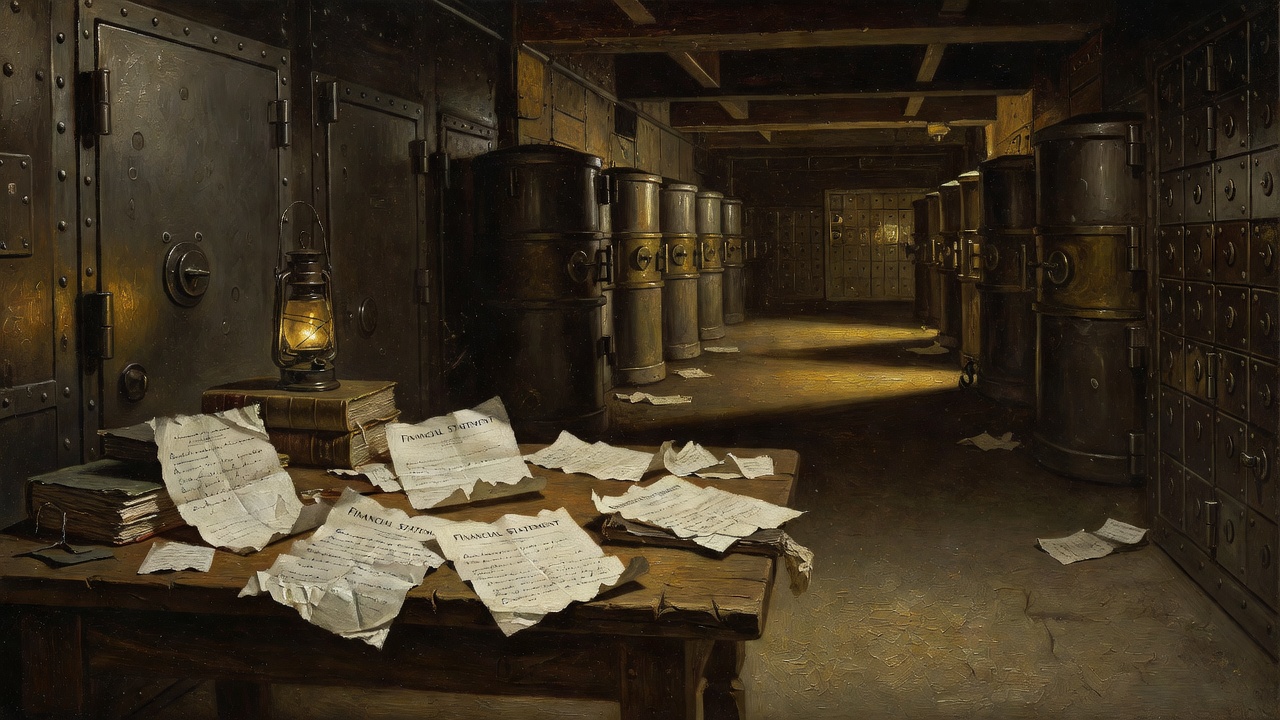
To cover the losses, he embezzled from his bank. He took loans that he did not repay. He created false documents.
The crime proceeded for years before being discovered.
The Addiction Mechanism
Molony did not start as a criminal. He started as a gambler with an addiction. The addiction created the need for money. The need for money created the crime.
This is the pattern for many gambling-related crimes. The person gambles. They lose. They borrow. They lose again. They cannot pay back the loans. They commit crimes to get the money.
The Scope
Molony embezzled approximately 10 million dollars before he was caught. This is a massive amount.
He was a bank manager with authorization to approve loans and transfers. He used this authority to steal.
No one noticed for years. The bank's internal controls were insufficient.
The Prosecution
Molony was arrested. He was tried for fraud and theft. He was convicted.
He spent time in prison. He received help for his gambling addiction while incarcerated.
The Film
The film Owning Mahowny dramatizes the story. It stars John Cusack as a fictionalized version of Molony.
The film shows the addiction, the lying, the crime, the desperation. It is a cautionary tale about what gambling addiction can lead to.
The Real-World Impact
Molony's story illustrates a connection that is often overlooked: gambling addiction leads to financial crime.
A person with gambling disorder will do increasingly desperate things to fund the addiction. Borrowing from friends. Stealing from family. Embezzlement. Fraud.
The addiction is the root cause. The crime is the symptom.
The Treatment Question
Molony eventually addressed his gambling addiction. But it took a crime, prosecution, and imprisonment to force the issue.
This raises a question: could early intervention have prevented the crime? Could treatment before the addiction reached critical mass have stopped the escalation?
Probably. But addiction is hard to treat until the person acknowledges the problem. And people often do not acknowledge until crisis forces them to.
The Modern Relevance
Molony's story is from the 1980s. But gambling addiction and related crimes are ongoing issues.
Online gambling has made the addiction more accessible. A person can gamble 24 hours a day from their home.
The risk of gambling-related crime has probably increased, not decreased.
The Final Thought
Owning Mahowny is entertainment. But it is also a case study in how addiction can lead to serious crime.
The lesson is not unique to gambling. The same pattern applies to substance addiction and other compulsive behaviors.
Addiction drives people to do things they would never do otherwise. The crime is a symptom of a larger problem.