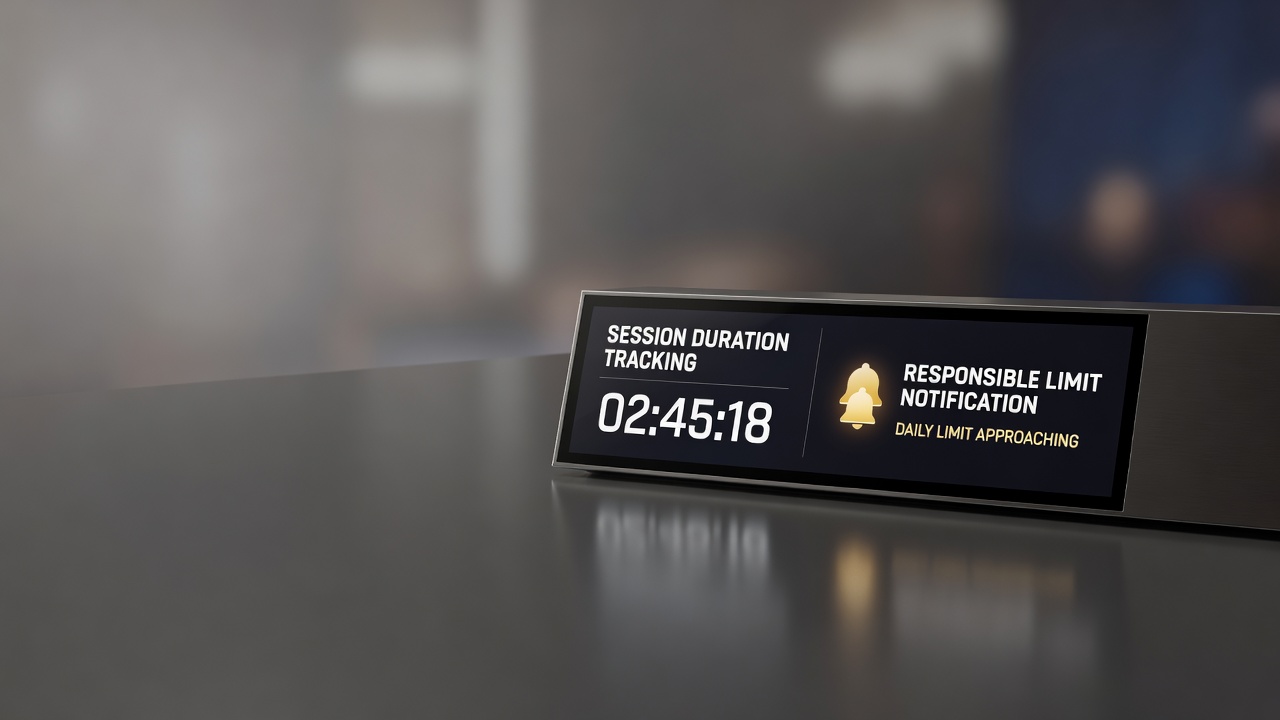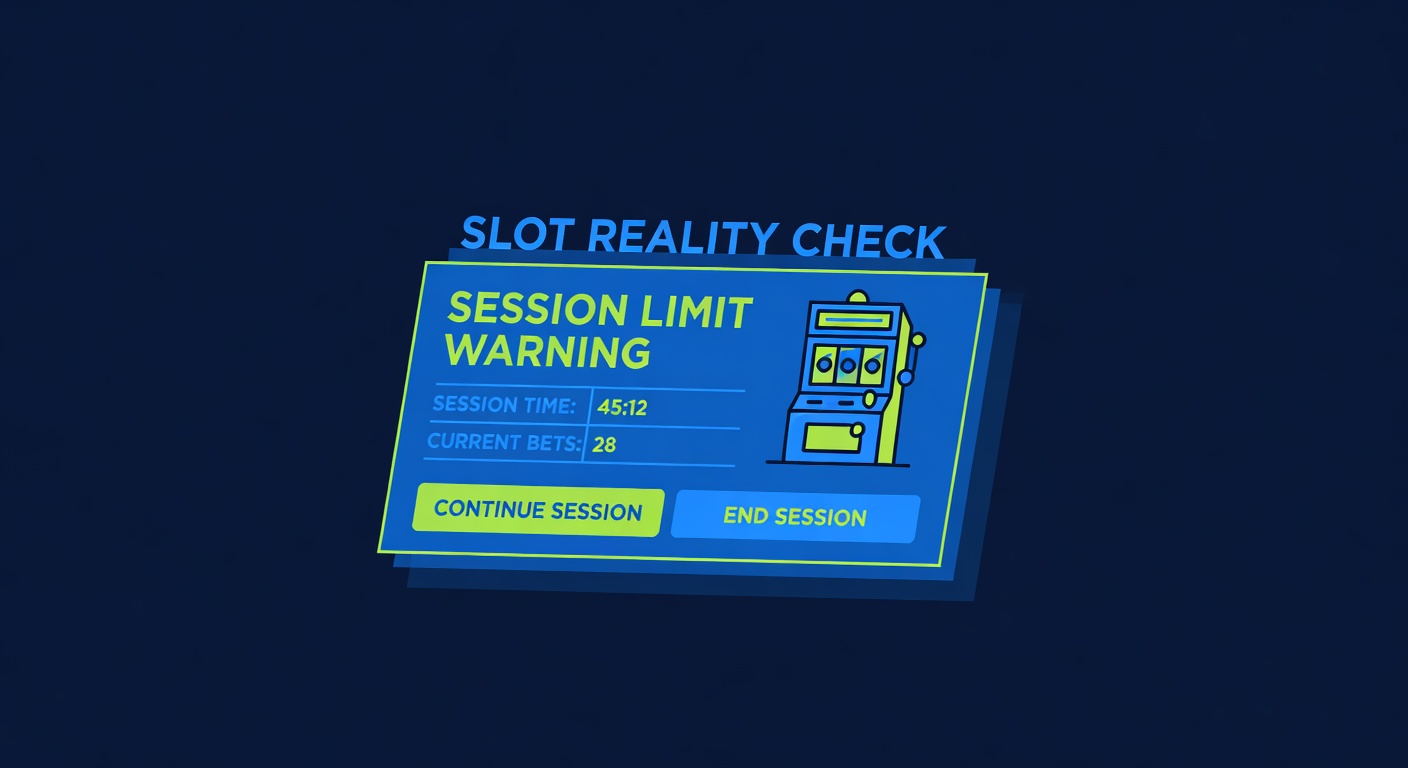
A reality check is a popup that appears at set intervals (every 30 minutes, 60 minutes) reminding you how long you've been playing. It shows your session time, your net profit or loss, and your current balance.
The popup interrupts play. You must click to continue. The interruption is intentional. It's a friction point designed to make you pause.
From an economic perspective, this is a tool to reduce information blindness. Many slot players lose track of time. Hours pass. They don't know their loss because they haven't checked their balance.
A reality check forces accountability.
Reality Checks Explained
Theory: if players know they're down 50 pounds, they'll quit. Knowledge of loss is loss aversion trigger.
Practice: players dismiss the popup. "I know I'm down. I'm trying to get back." The chase continues.
So reality checks work only if the player uses them. They don't change behavior if the player is already committed to playing.
UK Gambling Commission requires reality checks every 30 minutes for new account holders and every 60 minutes for established accounts. Bet365, DraftKings, and all UKGC-licensed operators have this.
Session Limits
A session limit is a time boundary. You set 60 minutes. When 60 minutes is up, the site logs you out. You can't play.
Economically: session limits cap your time-at-risk. If your loss rate is 10 pounds per hour, a 60-minute limit caps your maximum loss at roughly 600 pounds (60 minutes times 10 pounds per minute, accounting for volatility).
But a player who wants to keep playing can log back in immediately. The session limit isn't permanent. It's a friction point.
Effectiveness: moderate. Players respect session limits better than reality checks because the boundary is hard (you're actually logged out). But many players simply log back in.
UK regulators require session limits be available. Not mandatory, but available. The player must opt-in.
Loss Limits
A loss limit sets a threshold: lose X pounds, you're locked out until the next day or week.
Economically: loss limits are the most direct tool because they cap your maximum loss in a time period.
Example: loss limit of 100 pounds per day. You lose 100 pounds. The site freezes your account until tomorrow. You can't continue playing even if you want to.
Effectiveness: high. Loss limits work because they're enforced by the system, not the player.
But here's the behavioral problem: a player who hits a loss limit on Monday can increase their loss limit for Tuesday. The operator allows limit changes (usually with a delay). The limit is still a player choice.
Combining Them
Ensuring a player uses all three:
- Reality check every 30 minutes (shows them their loss)
- Session limit of 60 minutes (forces a break)
- Loss limit of 100 per day (hard ceiling)
Even with all three, a dedicated player can work around them. Reality checks can be dismissed. Session limits can be reset. Loss limits can be raised.
The tools work only if the player genuinely wants them to work.
The Marginal Utility Question
From Austrian economics, each boundary addresses a specific failure of marginal utility calculation.
Most of the time, a player's marginal utility declines as they play. The first 100 pounds wagered is more exciting than the 100th. Eventually, the marginal utility goes negative: further playing is causing pain.
At that point, a rational player quits. But loss aversion and chasing override rationality. The player continues.
Reality checks make utility visible. Session limits interrupt the flow (which is where marginal utility becomes invisible). Loss limits impose a hard boundary when utility is definitely negative.
Practical Recommendation
If you play slots, set all three:
- Reality check: 30 minutes
- Session limit: 60 minutes
- Loss limit: 10 percent of your monthly income
Make the loss limit real. Ask the site to require email confirmation if you want to raise it. Add friction. The friction is the protection.