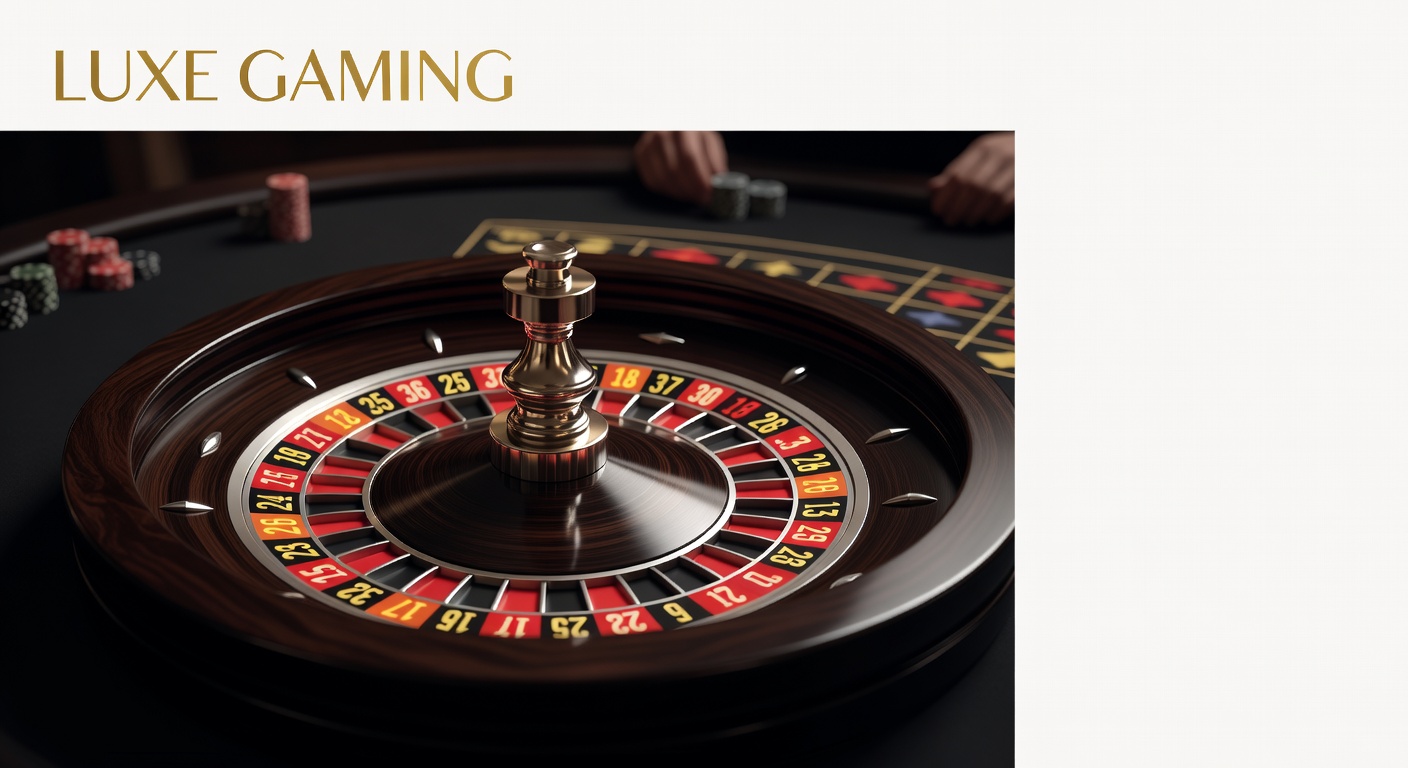
At a high-limit table, I've seen players track numbers for entire sessions. Twenty, thirty spins. They mark which numbers have hit. They wait for a cold number, then bet it.
They lose money doing this.
Roulette has no memory. Each spin is independent. A number that hasn't hit in 50 spins has the same probability (1 in 37) on the next spin as it did on the first spin.
The Hot Number Fallacy
Hot numbers are those that hit frequently in a short window. A number hits three times in 20 spins. Players think it's hot. They bet it.
But after hitting three times in 20 spins (which is roughly a 6 percent above-average frequency), the number returns to baseline. It hits at the normal rate going forward (about 1 in 37 spins).
Players who bet hot numbers late miss the actual hot window. They're chasing past variance.
The math: if a number is genuinely hot (hitting more often), it will continue hitting more often. But the odds on the next spin don't change. The number is still 1 in 37. The odds are fixed by the wheel's geometry, not by past frequency.
The Cold Number Fallacy
Cold numbers are those that haven't hit in a while. A number hasn't shown up in 50 spins. Players think it's due. They bet it heavily.
But a number that hasn't hit in 50 spins has no elevated probability on spin 51. It's still 1 in 37.
This is the gambler's fallacy in pure form. The belief that past non-occurrence increases future probability.
Over time, a cold number will hit. Eventually, every number hits. But the specific spin when it hits is random.
Why Players Believe This
Humans see patterns everywhere. We're evolved to detect patterns. Pattern detection saved our ancestors' lives.
But randomness creates patterns naturally. Over 37 spins, some numbers will hit multiple times and some won't hit at all. This is variance, not signal.
Players mistake variance for signal.
The Physics
Roulette wheels are mechanical objects. Ball rolls, friction slows it, gravity pulls it down. The outcome depends on initial conditions (ball speed, spin direction) and physical properties (wheel tilt, bearing friction).
A truly random roulette wheel would require the initial conditions to be genuinely unpredictable. In theory, they are (quantum uncertainty). In practice, a skilled person might predict the outcome.
But casinos account for this. They change the initial conditions constantly. Different dealers, different spin forces, different times of day.
Virtually no one can predict modern roulette outcomes consistently.
The point: roulette isn't memory-based. A wheel doesn't "prefer" certain numbers or "owe" numbers. Each spin is a new roll of the dice.
What Hot and Cold Actually Measure
Hot and cold numbers measure variance in a small sample.
If you flip a coin 10 times, you might get 7 heads and 3 tails. Heads is "hot." But over 1000 flips, heads and tails converge to 50/50.
Hot and cold numbers converge to equal frequency over thousands of spins. The hot number is not actually hotter. It just happened to land more often in the sample window.
The Practical Implication
Tracking hot and cold numbers doesn't improve your odds. It might make the game more engaging (you're hunting for patterns), but it doesn't change the math.
If you bet a hot number, you're betting with the same house edge (2.7 percent on European roulette) as if you bet a cold number.
The best strategy for roulette is to understand that no strategy improves your odds against the house edge. The house edge is baked in.
At the high-limit tables, wealthy players know this. They're not betting on hot numbers expecting to win. They're betting for entertainment. They can afford to lose.
Casual players who think they've found a pattern are mistaken. They're just seeing variance and assigning meaning to it.