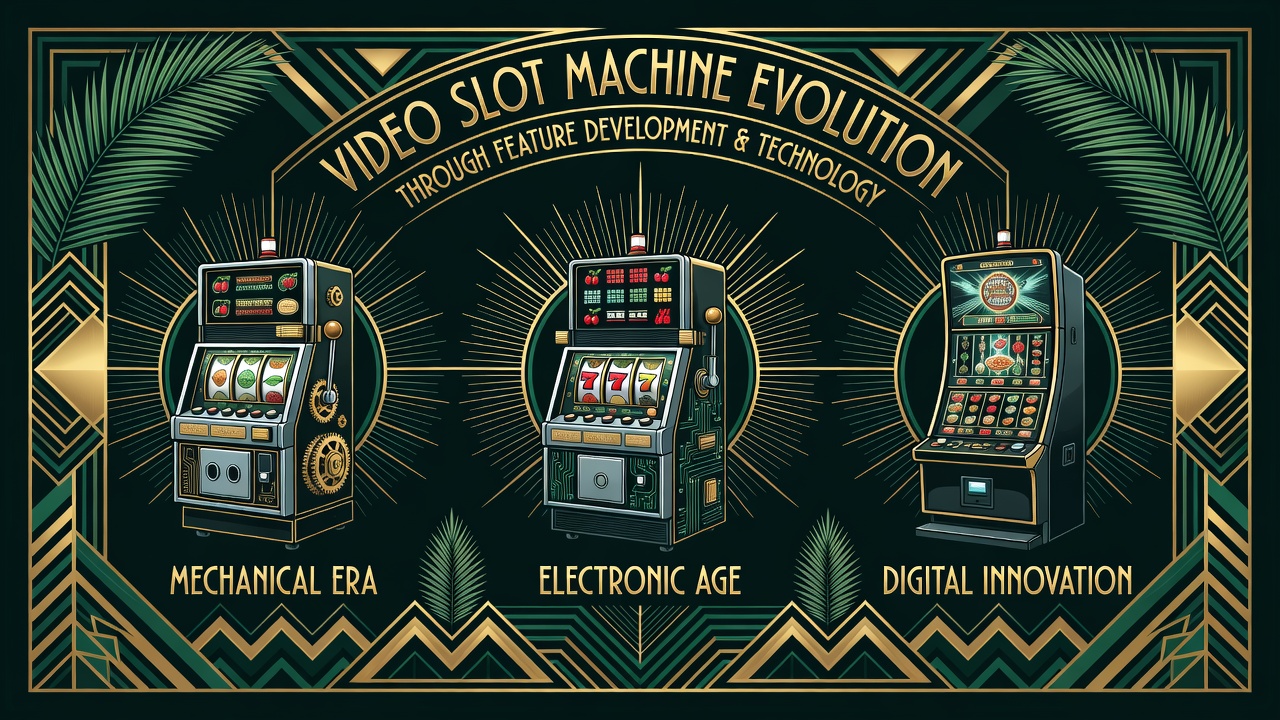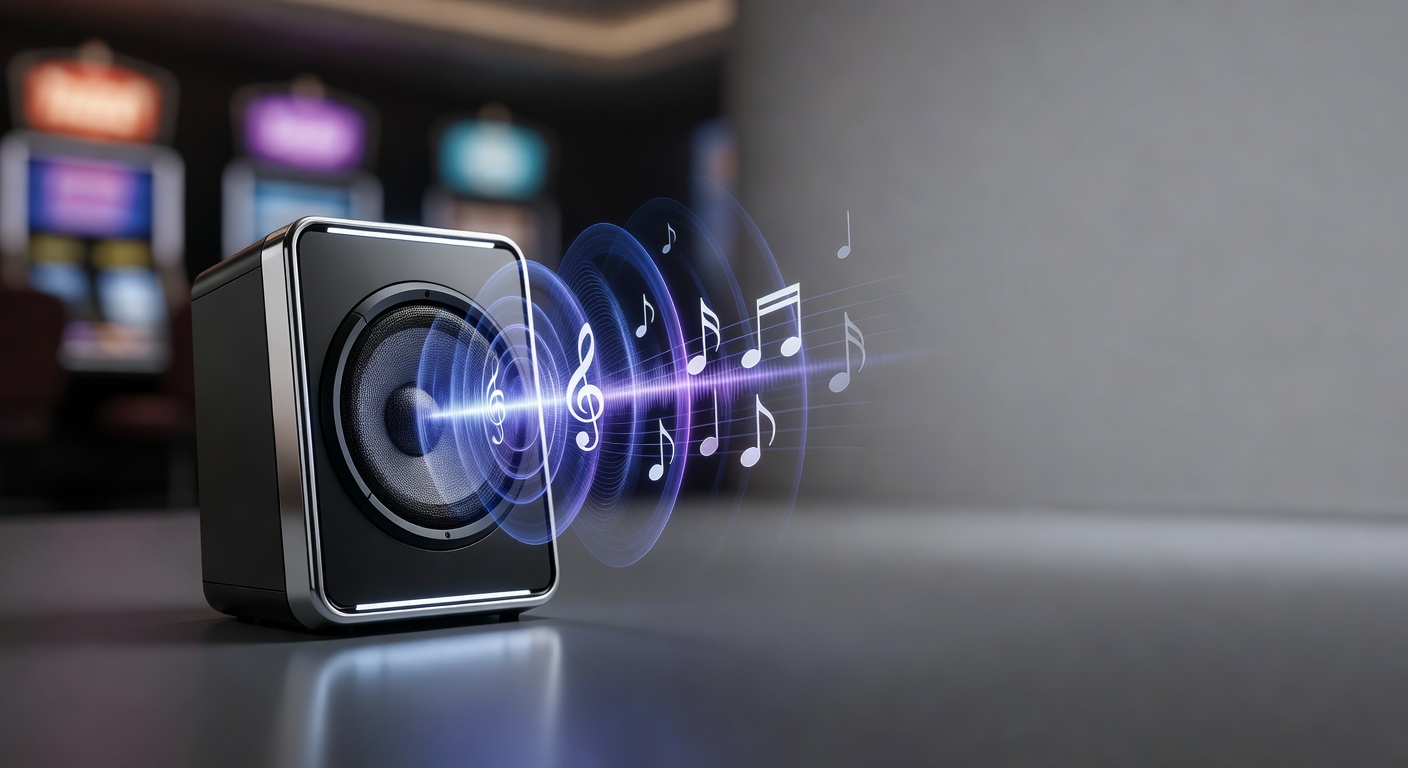
Sound design in casino spaces (including online casinos) serves one function: to shape time perception. A casino should feel like it contains no clocks. This is true of architecture (no windows), lighting (fluorescent is timeless), and crucially, audio. Slot machine designers use sound to create a loop where anticipation and release follow each other so rapidly that players lose track of elapsed time.
The architect approach is this: a slot machine is a cabinet for delivering psychological stimuli. The visual display is one stimulus channel. The sound system is another, equally important. Pragmatic Play, NetEnt, and Evolution all employ audio designers (sometimes entire teams) who spend weeks perfecting the sound signature of a single game.
The Ambient Baseline
Every slot machine in a live casino sits in an acoustic environment designed to be chaotic. Bells, coin drops, music from nearby tables, the ventilation hum. The machine's audio must cut through this noise. Designers pitch slot sounds at specific frequencies (usually 2-4 kHz for reels spinning, 6-8 kHz for win chimes) that stand out in a casino's ambient spectrum.
Online, the acoustic environment is private. The player is alone or with few people. This allows designers to pitch sounds lower (more bass-heavy) without the casino's ambient chaos overwhelming them. A spin sound at 200 Hz and 85 decibels in a home setting is noticeable and attention-getting. The same sound in a live casino floor would be inaudible under the din.
This is why online slots from Pragmatic Play or NetEnt sound so aggressively stimulating when you first play them. They are not calibrated for a live casino's acoustic environment; they are calibrated for headphones and laptop speakers.
The Spin-and-Wait Cycle
A slot spin consists of three audio elements: the initiation sound (usually a quick "plink" or musical hit), the spinning sound (a sustained tone or looped pattern that repeats during the spin), and the resolution sound (a fanfare or chime that plays when reels stop).
The spinning sound is the most studied element. Game designers learned (early 2000s, before randomization was fully transparent) that if the spinning sound is too static, players perceive the spin as lasting longer. If the sound accelerates or changes pitch during the spin, players perceive it as shorter. A five-second spin with a constant tone feels like eight seconds. A five-second spin where the tone descends from high to low pitch feels like three seconds.
The time perception matters because perceived duration affects patience. If players think the spin is lasting forever, they become frustrated. If they think it is quick, they are more likely to spin again immediately. Sound design compresses subjective time.
The Win Feedback System
When a player wins, the audio must communicate the magnitude of the win without requiring text. A small win (return of stake) gets a light chime, one or two hits on a major chord, roughly 70-80 decibels. A medium win (5-50x stake) gets a longer musical phrase, more complex harmony, maybe a musical scale running up, 85-90 decibels. A big win (50x+ stake) gets a full musical statement: a fanfare or a celebrity voice ("Winner!" or the game's theme character shouting), 90+ decibels.
This hierarchy is learned behavior. A player hears the light chime on their first small win and subconsciously files it under "minor reward." After 50 spins, they have internalized the audio gradient. A medium-win chime now triggers anticipation ("bigger than the small one!"). The audio system has created a learned feedback loop without any explicit instruction.
Online casinos (Stake, Bet9ja, DraftKings) use simpler audio systems than live machines because the players are less likely to distinguish subtle differences in tone and pitch through consumer-grade speakers. But the principle is the same: audio communicates win magnitude.
The Streak Illusion
Slot designers layer two additional audio elements to create the illusion of momentum: near-miss sounds and near-win musical stabs. A near-miss is a spin where two reels match but the third does not. Some machines play a different sound on near-misses (a "close!" sound, about 75 decibels, distinct from a lose sound). This is contentious (regulators in some jurisdictions banned it because it increases perception that the machine is "almost" paying), but it persists in many online implementations.
The effect is psychological: players who hear a near-miss sound perceive they are getting closer to winning, even though each spin is independent. This extends session duration because players feel they are on the edge of breakthrough. Pragmatic Play's game design docs (leaked through industry sources) indicate they use near-miss audio specifically to maintain engagement on games with lower win frequency.
Silence as a Tool
Some modern slots use silence strategically. A win sequence might be: loud chime, then 2-3 seconds of quiet, then a secondary reward sound. The silence amplifies the secondary sound's impact. This is drawn from film sound design (the sudden quiet that precedes a jump scare).
Bet9ja's contract with NetEnt includes discussion of silence as retention. A long win sequence with dramatic pauses keeps the player's attention locked in ways that a continuous sound never could. Silent moments force active listening; they reset the player's sense of time.
The Volume Ramp
When a player is about to lose (no win, or a tiny win), the ambient audio often drops by 5-10 decibels. This creates a subtle signal: "this spin did not go well." The player hears the quieter environment and feels a minor disappointment before any visual confirmation. This is subconscious but measurable in session data. Players who experience audio cues about losing-spins tend to end sessions sooner than players who do not.
This is the architect's view of slots: every audio element is a structural choice designed to shape how long you sit, how engaged you feel, and how you perceive your wins relative to your losses. The sound is not incidental. It is the machine.