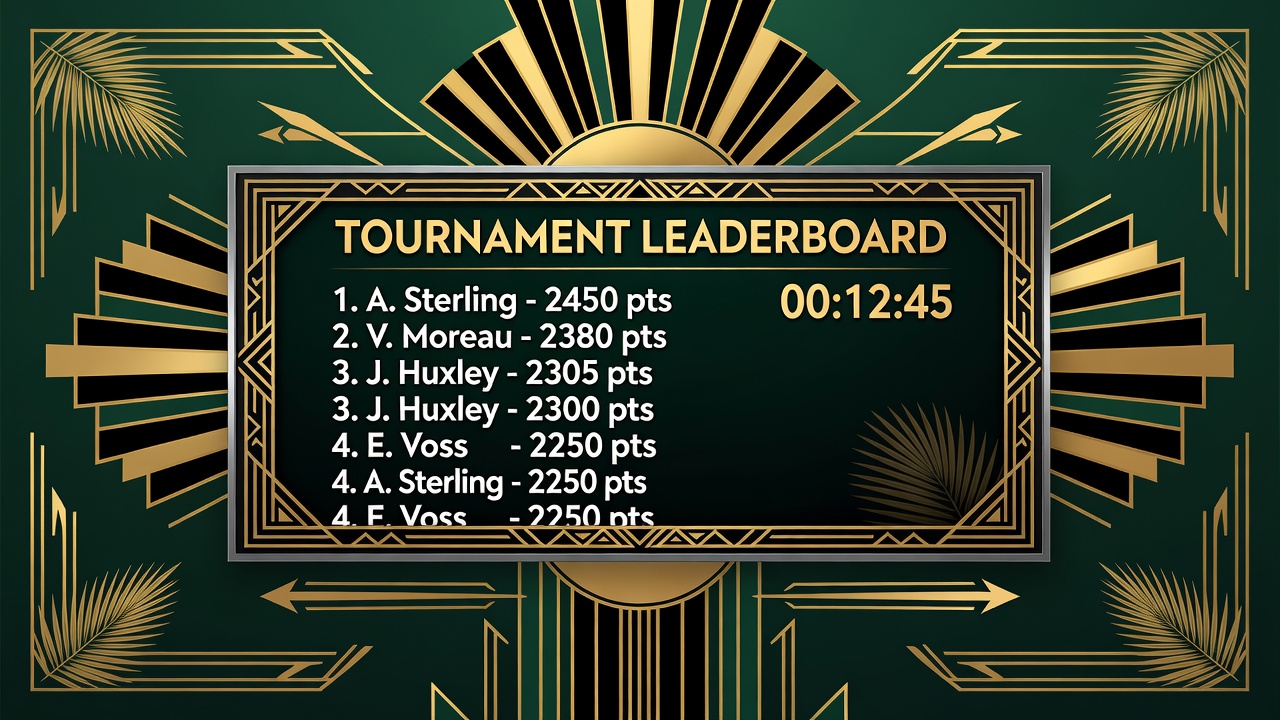
A slot tournament works like this. The casino sets a time window. Players enter the tournament. Everyone plays the same machine (or pool of machines) simultaneously. After the time window ends, the player with the highest score wins.
The score is determined by winnings. If you spin and win fifty dollars, your score is plus fifty. If you spin and lose ten dollars, your score is minus ten. After the time window, the player with the highest total score is the winner.
The tournament might have multiple tiers or brackets. The top ten players in a bracket advance. The brackets compete. The final winners receive prizes (cash, comps, or free play credits).
Tournaments are attractive to casinos for several reasons. First, they create urgency. There is a limited time window. Players feel pressure to play fast and accumulate score quickly.
Second, they attract players who normally would not visit the casino. A tournament provides a reason to visit. Regular cash players might not be interested. But tournament players might be.
Third, tournaments guarantee activity. The casino knows that during the tournament window, players will be at machines. This creates efficiency in staffing and operations.
The Mechanics
Entry fees vary. Some tournaments are free to enter. Some charge a fee (fifty dollars, one hundred dollars). The fee is the tournament buy-in. High-entry tournaments attract serious competitors.
The time windows are typically short. One hour. Two hours. Sometimes an entire day. Short windows create intense play. Players maximize their time trying to accumulate score.
The machines in a tournament often have different settings than regular machines. The RTP might be slightly higher to encourage play. The volatility might be adjusted. These settings are within the casino's control.
Some tournaments use special tokens instead of real money. You get a tournament token value. You play with tokens. Winnings are expressed in tokens. This removes real money from the equation and focuses the competition on score.
Tournament strategy involves understanding the machines and the other competitors. You want to maximize your score in the available time. This might mean playing conservatively (small bets, consistent play) or aggressively (large bets, hoping for big wins).
A slot tournament is structured competition that commoditizes luck into a measurable score.
The tournament structure itself becomes a draw. Players enjoy the competitive element. They enjoy the time pressure. They enjoy the social aspect of competing against others.
Some casinos run multiple tournaments per day. Players can enter multiple tournaments. A single player might compete in four or five tournaments. This extends their play duration.
Tournament winners get recognition. Their names might be displayed. They might get photos. This status appeal attracts players who want recognition.
Casinos also use tournaments to manage traffic. During slow periods, they run promotions with tournaments. During busy periods, tournaments are less frequent. This helps balance demand.
From a player perspective, tournaments offer a different experience than regular slot play. The time pressure changes the psychological experience. The competition changes motivation. Some players prefer this. Some prefer the more relaxed pace of regular slot play.
The edge for the casino is identical in tournaments as in regular play. The house edge on the machines does not change. But the tournament structure changes how quickly players go through money. Fast, intense play often results in faster losses.