Steve Wynn opened the Mirage on November 22, 1989. The opening cost was 630 million dollars. The concept was simple: a luxury resort with fine dining, high-end entertainment, and gaming. But the execution changed what a Vegas casino could be.
Wynn was not the first person to try this. Vegas had luxury casinos. But Wynn understood something about the Las Vegas market that others had missed. He understood that the future of Vegas was not in low margins and volume. It was in high margins and aspiration.
The Design Philosophy
Wynn hired Joel Bergman and David Diller of Bergman Diller to design the Mirage. The building was not a fortress. It was a statement. The exterior was white and tropical. The lobby featured live volcanic eruptions every 15 minutes (water explosions, not actual lava). The tropical theme extended throughout the resort.
This was distinct from the casinos that preceded it. The Golden Nugget was downtown and old-school. The Caesars Palace was themed but formal. The MGM Grand was massive. The Mirage was designed to feel like an escape. A vacation destination, not a gambling hall that also had rooms.
Wynn insisted on details. The restaurants had to be fine dining. Not just good casinos food, but restaurants that would compete with fine dining anywhere in the world. He hired celebrity chefs. He built a reputation for service.
The Strategic Position
The Mirage opened in 1989. The economy was uncertain. The real estate market had been turbulent. A 630 million dollar resort opening was a huge bet.
But Wynn positioned the bet carefully. He targeted high-end customers. Whales. Celebrities. Business travelers. His casino was not trying to compete with the locals casinos on volume. It was competing on prestige.
The gaming model reflected this. The tables had higher minimums. The slots were newer and more elegant. The vigorish on the bets was the same, but the clientele was different. A whale losing ten thousand dollars at the Mirage was worth more than ten locals losing a thousand each at a locals casino.
The Aquarium Innovation
The Mirage featured a massive shark tank in the casino floor. It served no functional purpose in the gambling operation. It was pure design. Pure experience. Guests would walk past the tank, see sharks swimming, and feel like they were in an exotic location.
This was unusual for Vegas casinos. Most casinos focused on the gaming. Wynn focused on the entire experience. The tank was a signal: you are not just here to gamble. You are here to experience something.
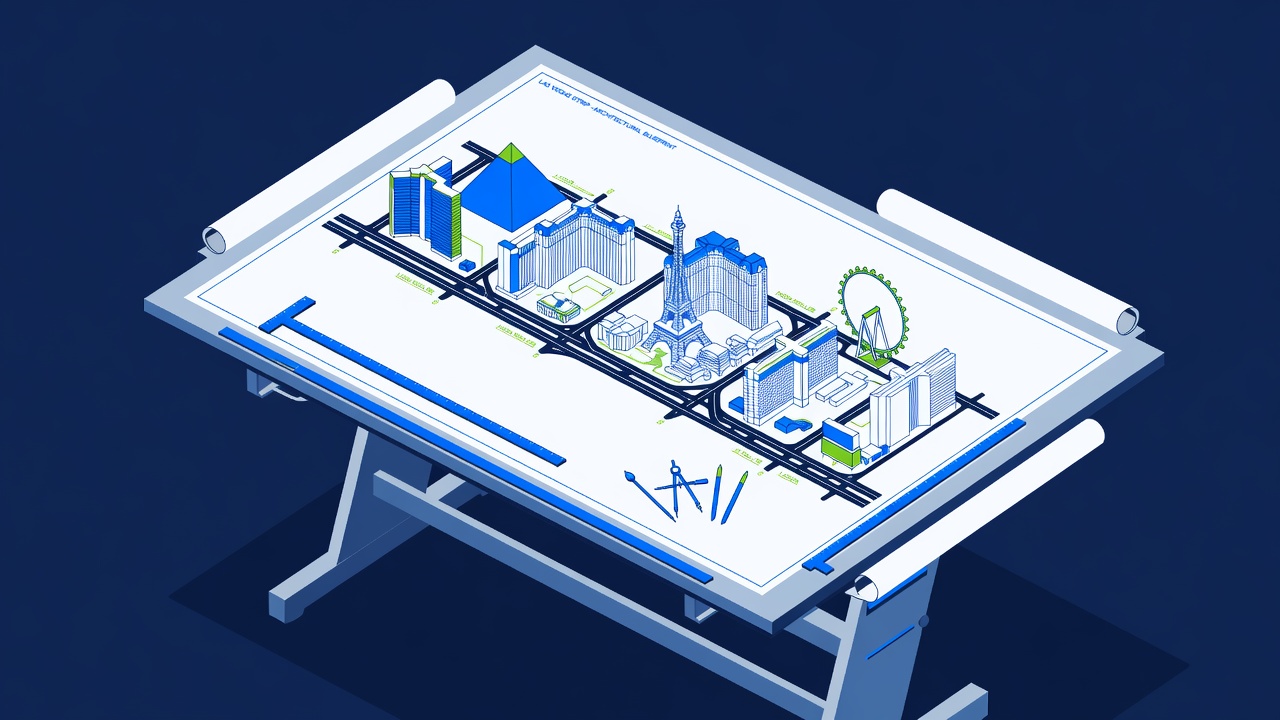
Other resorts copied this approach. Experiences became as important as the games. The Luxor added its pyramid and sphinx. The New York-New York added a miniature Statue of Liberty. The Paris added an Eiffel Tower.
But Wynn did it first and did it best. The shark tank still exists. It still works.
The Entertainment Strategy
Wynn booked Siegfried and Roy, a famous magic duo, as the resident entertainers. They performed at the Mirage nightly. This was expensive and required Wynn to subsidize the shows as a loss leader.
But the strategy was clear: the resort was not just a casino. It was a destination. You came to Vegas to see Siegfried and Roy. You stayed at the Mirage. You gambled as a secondary activity.
Competing resorts followed this model. The Bellagio signed Cirque du Soleil. The Venetian signed different acts. Las Vegas shifted from a gambling destination to an entertainment destination where gambling was available.
The Operational Changes
Wynn also changed how casinos operated. He was relentless about customer service. Staff received training on how to treat high-value customers. The restaurants had no slot machines. The clubs were separate from the casino. The design created spaces where people could gamble or not gamble, as they chose.
Most casinos before Wynn used a maximalist approach: fit gaming everywhere. Wynn used a minimalist approach: put gaming where it belonged, and create other spaces with intention.
This required higher staffing costs. Higher design costs. Higher operational costs. But the revenue per guest was higher, which more than offset the costs.
The Market Reaction
The Mirage was immediately successful. Tourist bookings increased. The average room rate increased. The casino held increased. Other casinos saw this and began copying the model.
Within five years, the entire Las Vegas Strip had been redesigned around Wynn's template. Big, showy, themed, with fine dining and entertainment. The shift from locals casino to tourist destination was complete.
Wynn followed the Mirage with the Bellagio in 1998. The Bellagio was even more explicitly luxury. The rooms were larger. The restaurants were more expensive. The focus on high-end customers was even sharper.
The Long-Term Legacy
Wynn stepped down from Las Vegas resort operations in 2018 after a sexual harassment scandal. He passed the company to others. But his approach remained the dominant model on the Strip.
Today, Las Vegas is defined by Wynn's innovations. The big themed resorts with entertainment and fine dining. The focus on experience beyond gambling. The commitment to luxury. The high margins from whale players rather than volume from locals.
This model worked for Wynn. The Wynn Resorts stock trades at a high multiple. The company is profitable and prestigious. But it also created a vulnerability: Wynn casinos depend on high-end tourism. When tourism drops (as it did in 2020), the impact is severe.
Steve Wynn reshaped Vegas by refusing to compete on the terms set by existing casinos. He created a new category: the luxury resort casino. Everything that followed was imitation.