
The History of Live Dealer Casino Games
The first live dealer blackjack broadcast was transmitted from Riga, Latvia, in 2001, a technical achievement that was n...
- Correspondent
- Chioma Uche
- Filed on
- Zone
- History / Live Casino
- Reading time
- 3 min
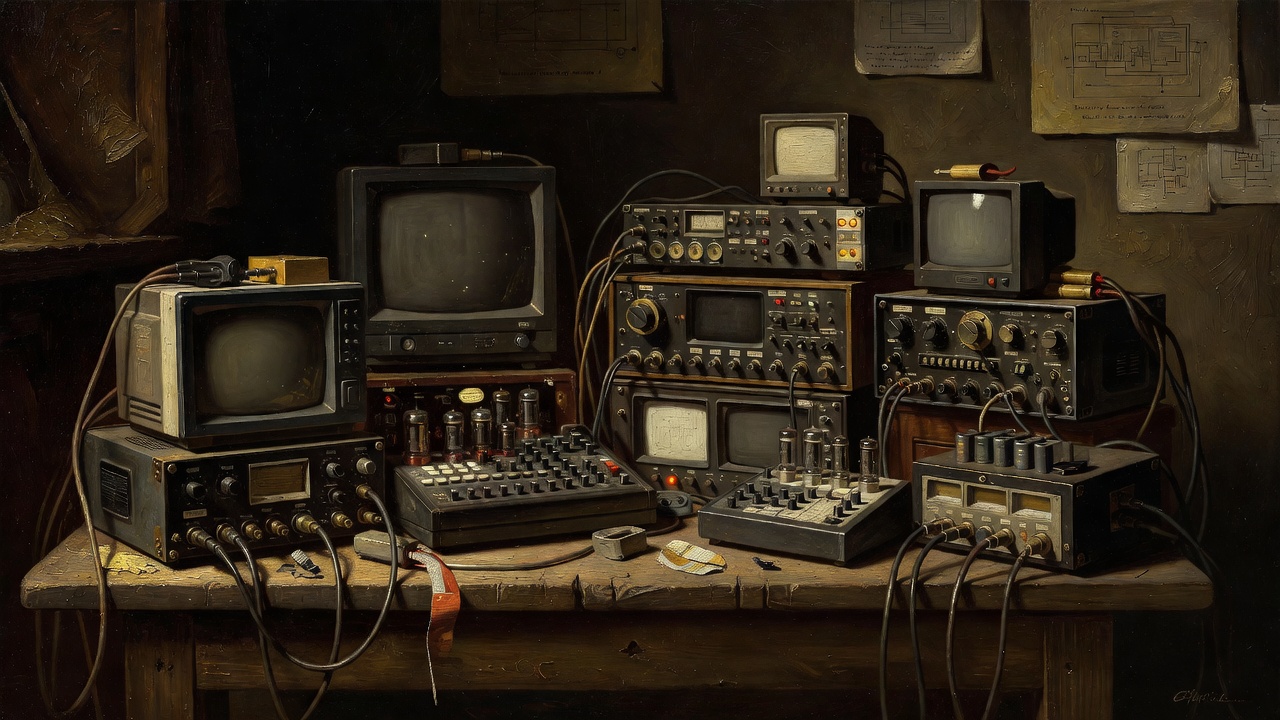
The first live dealer blackjack broadcast was transmitted from Riga, Latvia, in 2001, a technical achievement that was not particularly glamorous and did not immediately change gambling. There was a dealer, a camera, a single blackjack table, and a stream that was grainy and delayed by several seconds. Players at home could place bets online and see a real human dealing actual cards. The latency was unacceptable by modern standards. The image quality was atrocious. But it worked.
The thesis underlying live dealer was simple: online casinos lack trust. Players trust physical casinos because they can walk up to a table and see the cards with their own eyes. Online casinos had an image problem, a legitimacy deficit. Live dealer claimed to bridge that gap.
The Evolution in Two Phases
First phase (2001 to 2012): casinos built small studios and hired dealers to staff them. Every table was unique. Some casinos built elaborate studios in London. Others rented small rooms in Curaçao. The image quality improved gradually. Latency was still sometimes severe, but acceptable for most applications. Player numbers grew slowly because high-speed internet was not yet ubiquitous.
The technical bottleneck was encoding. Streaming live video quality without lag, to thousands of simultaneous users, with reliable settlement of bets, was genuinely difficult. Most early platforms had problems. A stream would freeze. A bet would not register. A dealer would accidentally muck a card. Complaints were common.
Second phase (2012 to present): consolidation. Large gaming operators realized they could build standardized live dealer studios with hundreds of tables and serve multiple brands from a single facility. Evolution Gaming built massive operations in multiple countries. Playtech invested heavily. The quality jumped. Latency fell below one second. Multiple camera angles became standard.
The technology side became boring. Which is good. Boring means it works.
The Interesting Part: Regulatory Path
Live dealer sits in a regulatory gray zone that is becoming clearer. Early in the 2000s, live dealer was treated as just another online casino product. Curaçao-licensed, no special requirements. Then regulators started asking: is the dealer the product, or is the game the product?
The UK Gambling Commission, in particular, established that live dealers must be in licensed jurisdictions, must follow strict protocols, must be available to audit. This forced consolidation. You could not just rent a dealer in a cheap country and broadcast them anymore. You needed a licensed studio, licensed staff, documented procedures.
This actually improved the product. Casinos could no longer cut costs by hiring unvetted dealers in unregulated environments. The standardization created player protections that did not exist before.
Why Live Dealer Mattered
Live dealer proved that players would pay more for the feeling of authenticity. A live blackjack table generates lower house edge mathematically than a video blackjack game with identical rules, because players' perception of fairness is higher. Live dealer casinos charge more or run tighter spreads, and players accept this because they feel they can see the game happening.
This was a lesson the entire industry absorbed. Authenticity, or the perception of it, is worth real money. Smart contract casinos learned this later. The earliest Ethereum gambling platforms used purely algorithmic randomness (provably fair RNG). Some early players found this alienating. Later platforms added the equivalent of live dealer: a human host, visible game administration, theatricality. The house edge did not change, but the perception did.
Live dealer is now a commodity product. Hundreds of tables, identical procedures, global player pools. But it remains the gold standard for trust in online gaming, which is remarkable given that a player sitting at home watching a video stream does not meaningfully verify the fairness of the game any better than they would with a video slot. But perception is the reality that players are actually purchasing.
More from the History zone
- No. 18925-09-2026Tommy Hyland and the Longest-Running Blackjack Team in History
- No. 16215-08-2026The History of Bookmaking: From Ancient Rome to Modern Sportsbooks
- No. 12821-07-2026The History of Macau: From Portuguese Colony to World's Biggest Gambling Hub
- No. 11512-07-2026Archie Karas and the Greatest Gambling Run in History