I have spent years embedded in underground betting communities. I have watched how people think about games when money is involved. I have seen hierarchies form around information. Calciopoli taught me something: match-fixing is not a conspiracy theory. It is a business.
Calciopoli occurred in 2006 in Italy. Juventus, the dominant team in Serie A, allegedly participated in a conspiracy with referees and other officials to fix match outcomes. The investigation revealed that the team had systematized bribery. Specific referees were favoured for Juventus matches. Favorable calls were expected and delivered.
The scandal emerged when investigators intercepted telephone conversations. The conversations were banal on the surface. A manager calling a referee. "Remember the favour I asked you about." The referee responding with agreement. The favour was officiating a match in Juventus's favour.
This was not a one-off incident. This was systematic. Over years, Juventus had cultivated relationships with officials. The team understood that winning through match-fixing was profitable and sustainable. They had a system.
The Underground Structure
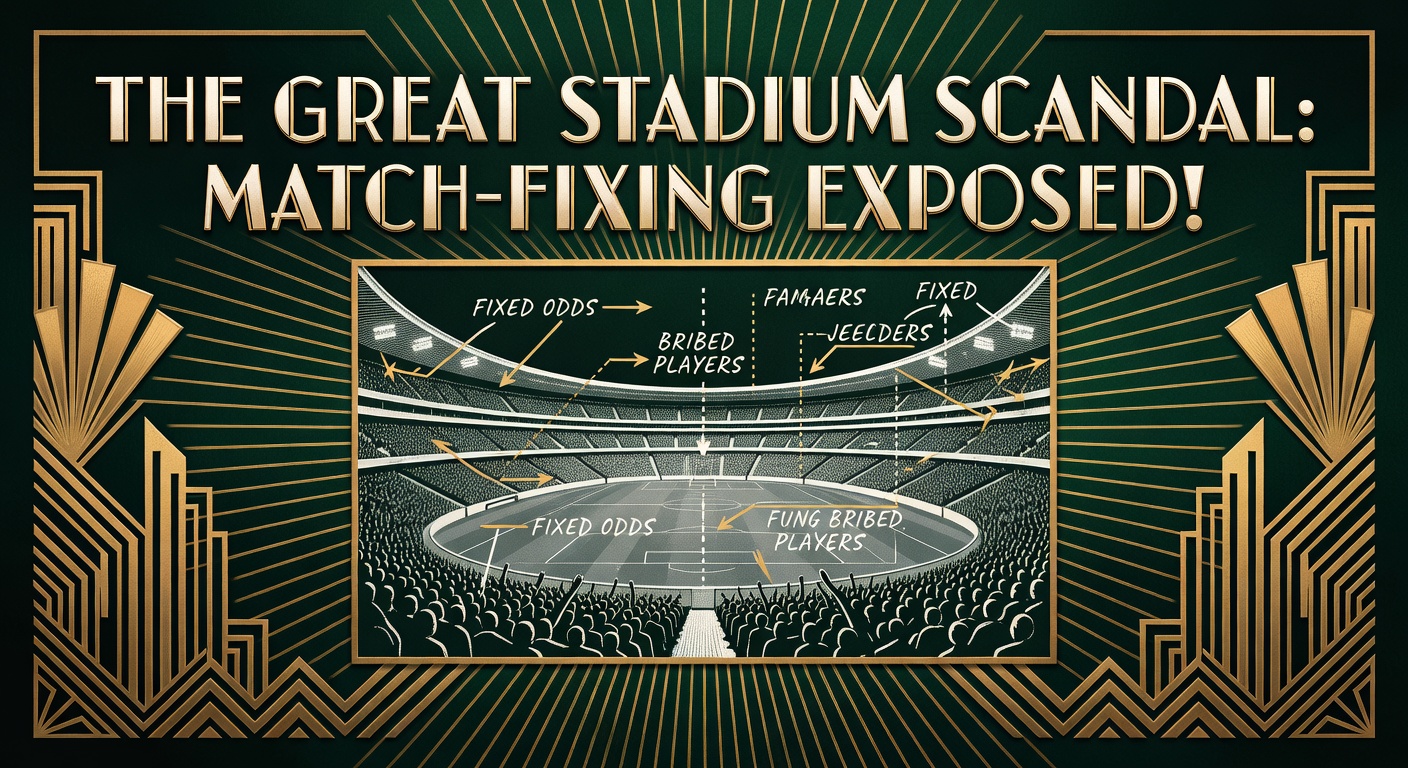
Match-fixing involves layers of people with different roles and information asymmetry. The team management at the top knows the big picture. They understand that they are buying outcomes. The referee in the middle knows they are taking payment for favourable calls. The betting market at the bottom knows something is wrong but cannot identify what.
Bettors who understand match-fixing can profit from it if they have information. They know which matches are likely to be fixed and in which direction. They place bets accordingly. If the fix occurs as expected, they win. This is where organized crime enters. Crime organizations have information. They bet accordingly. Match-fixing becomes profitable for everyone involved except the honest teams and the losing bettors.
Calciopoli was uncovered because someone talked. An investigator obtained phone records. A prosecutor listened. The conversations became evidence. The evidence became charges.
The punishments were severe. Juventus was stripped of titles. Players were banned. Management faced criminal charges. Some were convicted. Some were acquitted on appeal. The scandal lasted for years in the courts.
But the broader impact was on the reputation of Italian soccer. The idea that Juventus, the most successful team in Italy, had needed to cheat to win, damaged the credibility of the entire league. Television viewership declined. Sponsors became nervous. The scandal suggested that other fixes might have occurred that were never discovered.
Match-fixing requires a hierarchy of complicity. Everyone involved has something to lose if the truth emerges.
The response from sports authorities was to increase oversight. Referees were monitored more closely. Phone records were retained. Investigators were appointed to examine suspicious betting patterns. Video review was expanded. The goal was to make fixing harder and detection more likely.
But match-fixing continues. Every few years, a scandal emerges. Match-fixing in tennis. Match-fixing in cricket. Match-fixing in lower-level soccer leagues. The fundamental structure remains: someone has control over an outcome, someone has money to pay for a desired outcome, and the transaction occurs.
What Calciopoli taught betting markets and organized crime is that fixing is detectable if investigators have sufficient resources and sufficient will. Italy eventually recovered from Calciopoli. The league stabilized. New protocols prevented some forms of fixing.
But the scandal also revealed that large organizations with significant financial motivation can sustain corruption for years. Juventus did not fix one match. They allegedly fixed dozens. The conspiracy was extensive. The fact that it took investigative work to uncover it suggests that many other conspiracies might never be discovered.
From my perspective embedded in betting communities, Calciopoli was significant because it proved what we already suspected: outcomes are for sale. The price depends on the level of competition and the amount of money involved. The biggest leagues have the best oversight. The smallest leagues have the worst. In the small leagues, fixing is ubiquitous. Everyone knows this. Almost no one reports it because the profit from knowing is greater than the profit from exposing.
Calciopoli remains the most high-profile match-fixing scandal in modern sports history precisely because Juventus was so dominant and the fixing was so systematic. If the same conspiracy had occurred at a mid-table team, it might have been discovered and forgotten quickly. But Juventus is famous. Juventus winning through cheating creates a public scandal that echoes for decades.