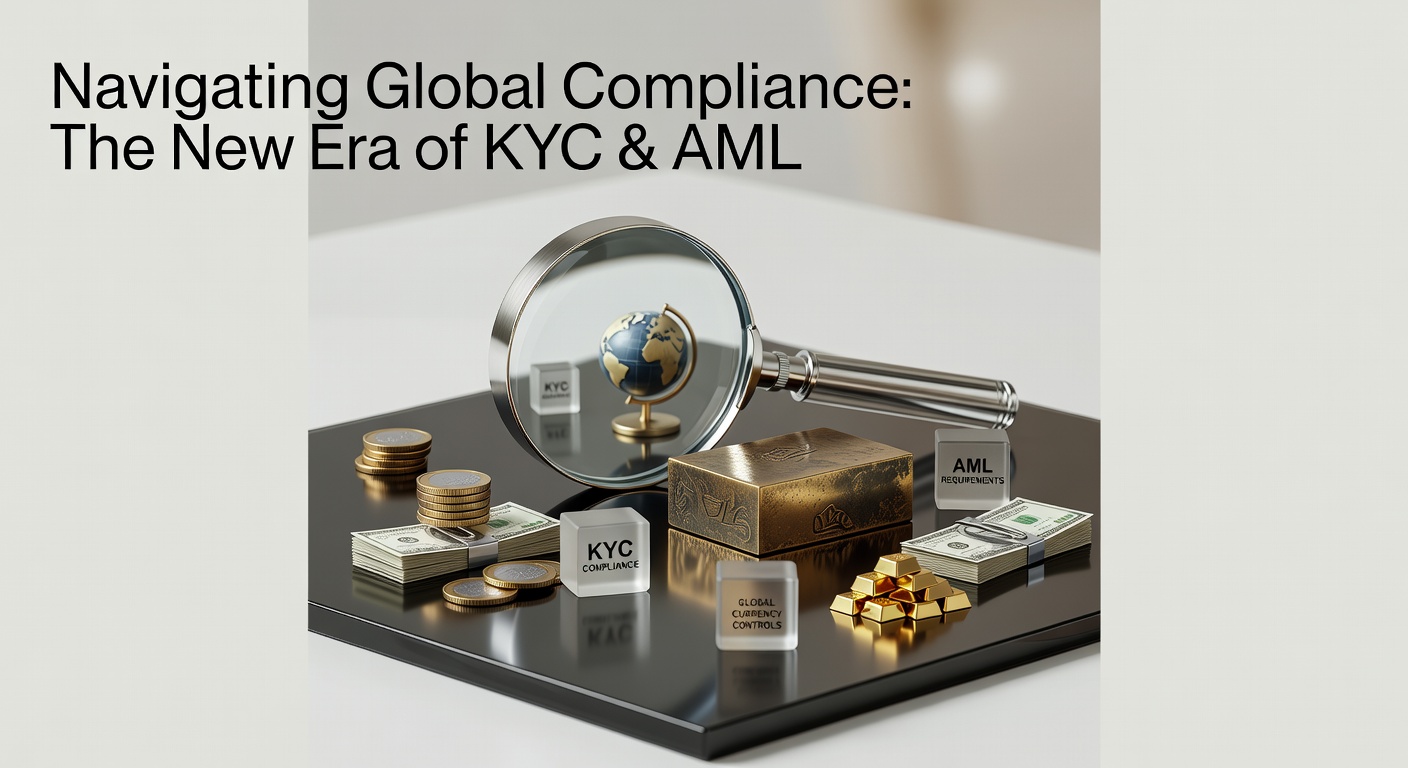
KYC is Know Your Customer. AML is Anti-Money Laundering. They're regulatory requirements, not casino invasiveness.
I study how people make financial decisions under uncertainty. KYC and AML are about reducing uncertainty for regulators.
The question: is this person playing table games legitimately, or are they moving illicit funds through the casino?
Regulators can't inspect every account. So they mandate that casinos collect information, verify it, and flag suspicious patterns.
KYC in Practice
When you open a table game account at Bet365 or DraftKings, you provide:
- Name, date of birth, nationality (identity)
- Address, phone, email (location and contact)
- Employment status and income (source of funds)
- Payment method (card or bank account matching your name)
The operator verifies this against:
- Sanctions lists (OFAC, EU sanctions)
- Government ID databases
- Address verification services
- Payment processor records
If your information doesn't verify, the operator closes your account and files a report.
The Behavioral Economics
From a behavioral standpoint, KYC creates friction in account opening. This friction is intentional.
It serves two purposes:
- It deters money launderers, who prefer to move money quickly and quietly
- It forces potential players to declare their identity
Declaration is a psychological commitment. Once you've stated your income and verified your employment, you're psychologically committed to that identity.
Research by Cialdini and others shows that commitment increases compliance. A person who's committed to a stated income is more likely to be honest about it.
So the friction in KYC isn't just regulatory. It's behavioral design.
AML (Anti-Money Laundering)
Once your identity is verified, the casino monitors your behavior.
Red flags:
- Deposits with no play history (money in, money out immediately)
- Structuring (multiple small deposits instead of one large deposit)
- Rapid cash outs after wins
- Unusual betting patterns (tiny bets, then massive bets)
- Multiple accounts
If the casino detects red flags, they file a Suspicious Activity Report (SAR) with the regulator.
Example: you deposit 10,000 pounds in 100 pound increments over a week, win once, and withdraw all 10,000 at once. That's a red flag. It looks like structuring, which is a money laundering technique.
The casino files a SAR. The regulator reviews it. If they think you're genuinely suspicious, they may alert law enforcement. You're not arrested unless there's evidence of crime, but you're flagged.
What Actually Triggers Investigation
Research by financial crime organizations shows that most legitimate players never trigger a SAR.
SARs are filed for unusual patterns, not normal gambling. A person who deposits 500 pounds, plays for an hour, and loses normally doesn't trigger anything.
A person who deposits 50,000 pounds, wins 100,000 and tries to withdraw to a different bank account in a different country does trigger investigation.
Privacy vs Protection
KYC and AML require casinos to collect information you might consider private. The tradeoff:
You lose privacy. The operator knows your employment, address, payment method.
You gain protection. A regulated casino is less likely to steal from you because it's subject to audits and fines.
Unregulated casinos don't do KYC or AML. They protect privacy but offer no protection against theft or non-payment.
Most players prefer regulated privacy-loss to unregulated privacy-gain. The data shows this: Bitcoin casinos (unregulated, private) have higher player churn than KYC casinos.
Practical Guidance
Provide accurate information. If you lie on KYC, the casino closes your account and might file a report for fraud.
Use your own payment methods. If you use someone else's card, that's a red flag.
Don't structure deposits. Don't deposit tiny amounts over days. Deposit what you intend to spend in one transaction.
If your account is locked for AML review, cooperate. Provide additional documentation if requested. Most reviews clear within 48 hours.
The system isn't perfect. But it's designed to reduce crime and protect players. The minor friction is worth the major protection.