Old Charlie's pub was in Soho, sat between a record shop and a kebab place, and that's where I first heard the word Malta in anger.
It was 2004. Maybe 2005. I'd been out of the book trade for a couple of years by then, living off the settlement and doing a bit of consulting for blokes who wanted to know how the pricing worked before computers ate the whole business. A punter I'd taken bets off since 1988 came in, ordered a pint of Pride, and told me he was putting money into a start-up. Online. Based in Malta.
"Malta?" I said. "The island?"
"The island."
"What's there?"
He tapped the side of his nose, which in our trade means don't ask. What he meant, as it turned out, was that Malta had just passed a new gaming law in 2004, the Remote Gaming Regulations, and every online operator in Europe was about to pile in. Low tax. English-speaking. EU member, which meant the operator could wave a licence and serve customers in Germany, Sweden, Austria, the lot. Ireland too, as it happens, though the Irish did their own thing later.
Twenty years on, the Malta Gaming Authority, the MGA, is the biggest name in European online gambling licensing, and half the operators I used to curse in the trade press hold its papers.
Let me tell you what it actually covers, in plain English, from a bloke who never trusted an online operator in his life but has at least taken the trouble to read the paperwork.
Four types of licence and what they mean
The MGA divides its licences into four types. Not complicated. Here they are on the back of a beer mat.
- Type 1: random number generator games. That's your slots, your roulette, your blackjack where the house is dealing. Digital cards, digital wheel. All the things that were invented after I stopped taking bets in person.
- Type 2: fixed-odds betting. Sports, horse racing, novelty bets on whether Prince Harry is coming back. Same trade I used to do behind a glass window, now dressed up in an app.
- Type 3: peer-to-peer games. Poker, bingo, anything where players bet against each other and the house takes a cut. Rake, in the language they use now.
- Type 4: controlled skill games. A small category. Think fantasy sports products and some of the stranger e-sports wagering setups.
An operator can hold one type or several. Most of the big ones hold Type 1 and Type 2 at minimum. The serious ones hold all four.
What the licence actually requires of the operator
This is the bit most punters skim. A Maltese licence isn't a rubber stamp. It comes with obligations, and the MGA does pull the trigger when operators mess about.
On the nose, these are the main ones:
- The operator has to keep player funds separate from operating funds. If the firm goes under, the punters' balances are meant to be protected. In practice, "protected" means "ring-fenced in a separate account, and you can still have a dog's dinner of a job getting your money back," but the principle is there.
- Technical standards on game fairness. Every RNG game has to be tested by an approved lab. iTech, GLI, and so on. The reports are filed with the MGA.
- KYC and AML compliance. Operators must verify their players' identities and report suspicious activity. This is the bit that means a punter who wins big has to send in a passport and a utility bill before he gets his money.
- Advertising standards. You can't flog an online casino to kids or pretend it's a risk-free investment. Fair enough. Should've been the standard in my day, but betting shop ads in the 1980s were another world.
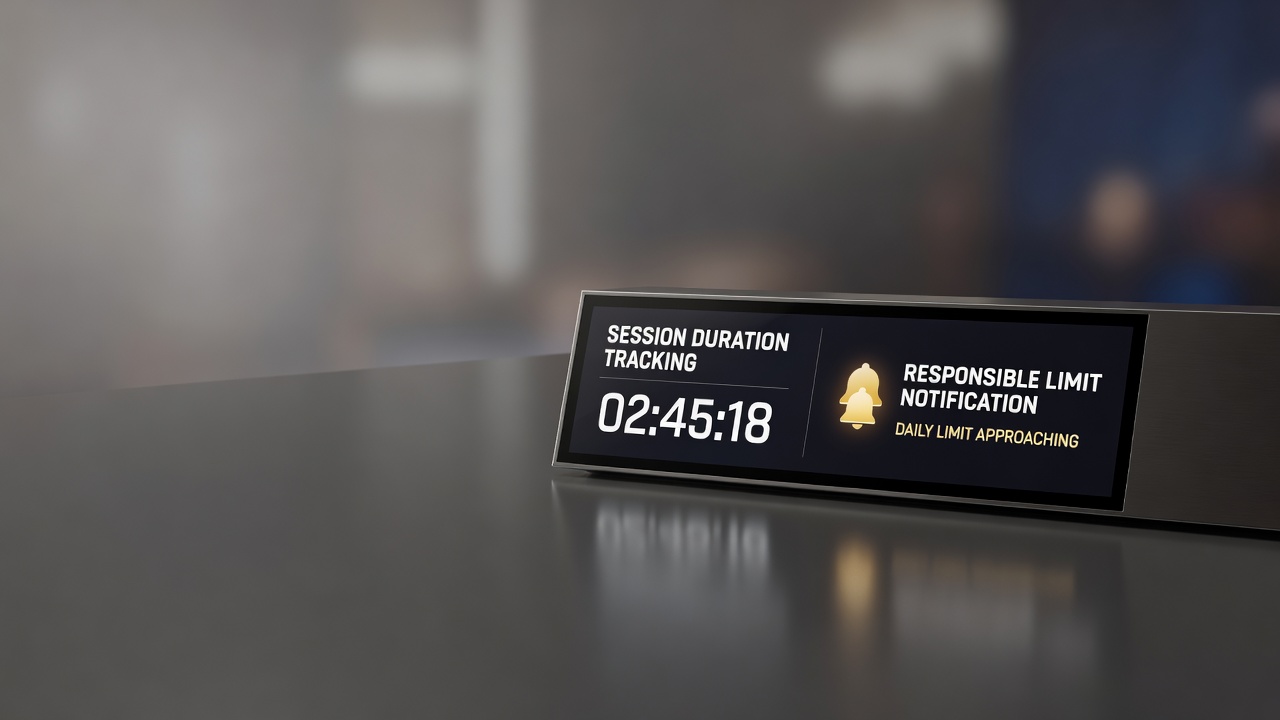
- Responsible gambling tools. Deposit limits, self-exclusion, session limits. Required features, all of them. Whether the operator makes them easy to find is a different question.
- A dispute resolution mechanism. If a punter feels he's been done over, he can escalate to the MGA, who will investigate. They don't always side with the punter, but they do pull licences when operators are taking the mick.
What it doesn't cover
Here's where the old-school suspicion kicks in. A Maltese licence doesn't cover every market. An operator licensed in Malta might or might not be allowed to take bets from your country. Plenty of jurisdictions, Germany, France, the UK, and others, require a local licence on top of the Maltese one. If you're a punter in a jurisdiction with its own regime, the Maltese licence is more or less irrelevant to you. What matters is whether the operator holds the local paperwork.
Second thing it doesn't cover: enforcement against the operator's parent company if it's based offshore. Malta regulates the Maltese entity. If the operator has a corporate structure that parks liability in Curacao or somewhere similar, the MGA can only do so much. This has been an ongoing headache and the MGA has tightened up on it in the past five years, but it hasn't gone away.
Third: the MGA doesn't guarantee you'll win anything. Obvious, but worth saying. The licence is about conduct, not about the maths of the games. The house edge is the same on a Maltese site as anywhere else.
The pub in Soho is a tapas bar now
Charlie's closed in 2016. The building sat empty for a bit, then some developer turned it into a tapas bar that sells £14 plates of chorizo. My mate from 2004, the one who told me about Malta, did alright for himself. Not rich, not poor, sold his small stake in the operator in 2011 and bought a flat in Eastbourne. The operator he backed still runs, still licensed out of Malta, still lists the MGA seal in the footer.
I never punted on the site. I never punted on any of them. The old habit of only betting with people who knew my name died hard. But if you're going to punt online, and half the country does, then a proper Maltese licence isn't the whole game, but it's not nothing either. Odds-on, it's better than no licence at all. And that, these days, is what passes for reassurance.