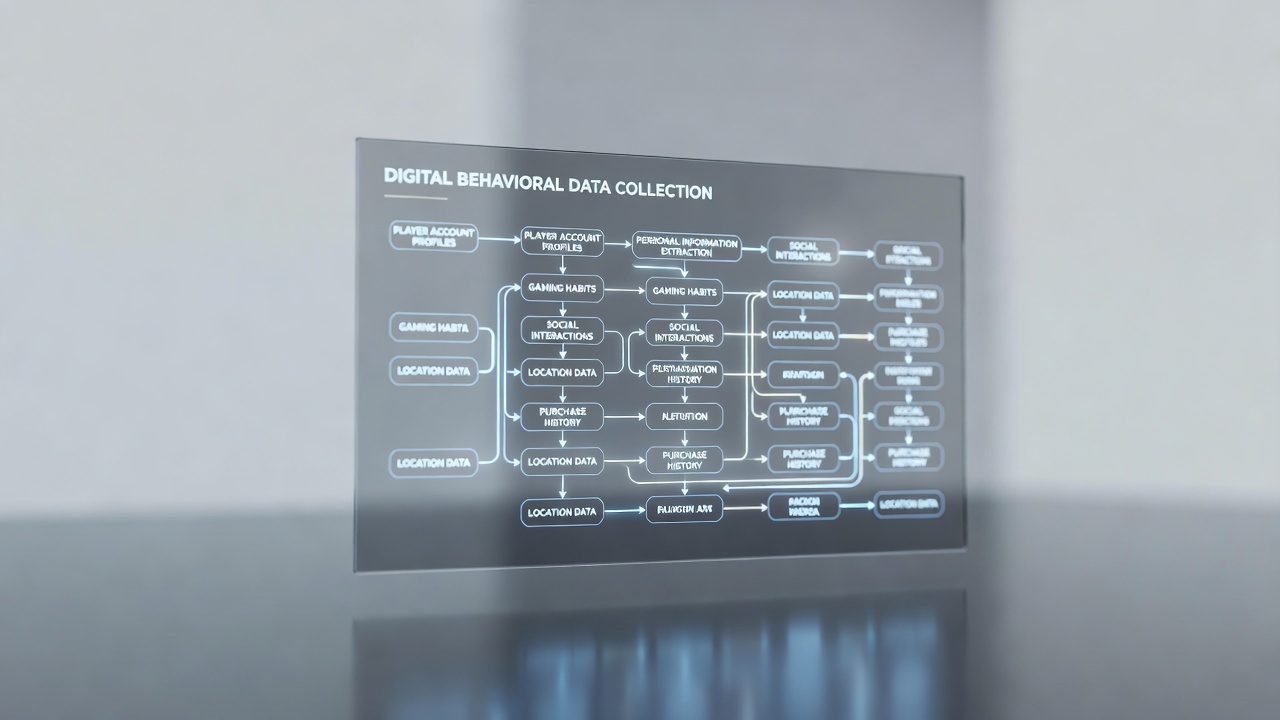
One might ask: what does the casino truly know about you, and why does it need to know it?
The answer is regulatory. Casinos are not intrinsically curious. They are compelled by law to verify identity. This is called KYC: Know Your Customer. The law exists because of money laundering and sanctions evasion. The casino is not your adversary. It is the instrument of the law.
Let me walk through this carefully, because the documents requested tell a story about what the regulator cares about.
The First Question: Who Are You?
A casino asks for your name, date of birth, and nationality. This is the baseline. They match your name against international sanctions lists. These lists (OFAC, EU sanctions, UN sanctions) contain names of individuals and entities the regulator believes pose a threat.
If your name matches a sanctioned entity, the operator must refuse you account access. This is not negotiable. Violation means fines up to millions and license revocation.
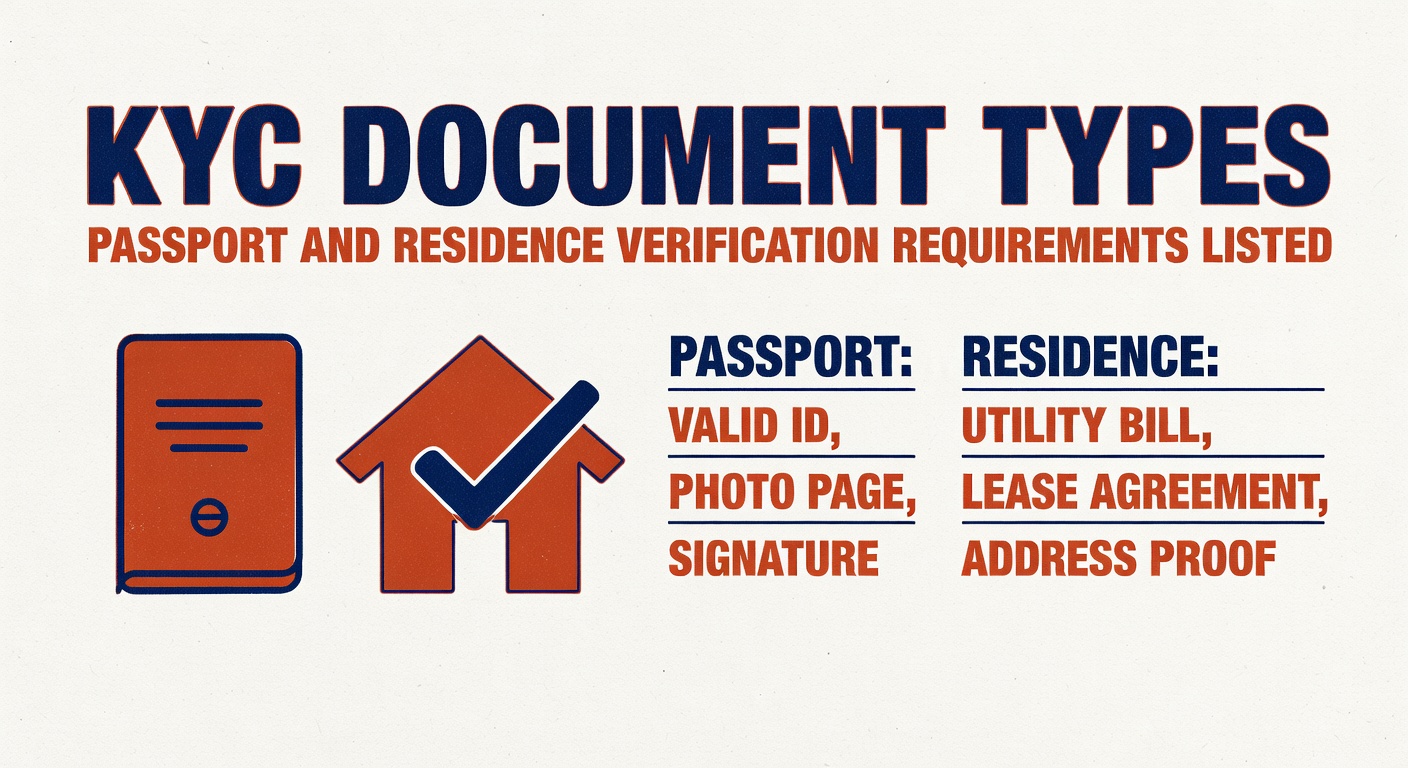
So the casino asks for proof of identity. A passport, driver's license, or national ID card. The document must be:
- Current or recently expired (usually within 6 months)
- Issued by a recognized government
- Contain your photograph
- Contain a signature or biometric marker
Why these requirements? A passport is hard to forge. It's verified through international databases. A driver's license is easier to forge but still represents state verification.
The Second Question: Where Do You Live?
Next, the casino asks for proof of address. A utility bill, bank statement, or rental agreement. Dated within 90 days.
Why address? The regulator uses address to determine jurisdiction. If you live in the United States, you cannot legally use a Curaçao-licensed casino. The operator must verify you're in a jurisdiction where they're authorized to operate.
This is not the casino being nice. It is the casino protecting itself. Serving a restricted jurisdiction is a licensing violation.
An old utility bill doesn't work because you might have moved. The regulator wants current address to verify current jurisdiction.
The Third Question: Where Does Your Money Come From?
For larger deposits or withdrawals, casinos ask for source of funds documentation. Your employment letter, tax return, inheritance paperwork, stock sale documentation.
Why? Anti-money laundering law (AML). The regulator wants to verify that your money isn't proceeds from crime.
A casino is a financial institution. It is required to file Suspicious Activity Reports (SARs) if it detects unusual patterns. A user who deposits 100,000 pounds in small increments then withdraws it all in one lump sum, never plays, is a flag. Structuring is what it's called. It's a money laundering technique.
The casino doesn't care where you got your money morally. It cares that you can prove a legitimate source. Your employment shows stable income. Your tax return shows legal earnings. Your inheritance documents show a legitimate transfer.
Without proof, the casino refuses the transaction and files a SAR. You may face law enforcement questions. Not because you've done anything wrong necessarily, but because the pattern looks like you have.
The Payment Method Question
Many casinos ask: who owns the payment method? You must use your own card or bank account. You cannot use someone else's.
Why? Again, AML. If someone else's card is used, the casino cannot verify the original source of funds. It's a layering technique in money laundering.
The casino matches the name on your account to the name on the payment method. They must match. This is not a suggestion. It's a regulatory requirement.
What Happens If You Lie?
If you provide false documents, the casino detects it and closes your account. Money in the account is seized. It's forfeited to the regulator.
If you provide someone else's documents, same thing. Worse if that person's documents are reported stolen. Then law enforcement gets involved.
If your address is false, same thing.
The casino's verification isn't paranoid. It's systematic. They use document authentication services that check for watermarks, holograms, serial numbers. They verify the documents against government databases.
The Philosophical Layer
One might ask: isn't this intrusive? Shouldn't I have privacy?
Yes and no. The casino, as a regulated entity, is functioning as an instrument of the state. It is not intrusive in a conspiracy sense. It is intrusive in a law-enforcement sense. Just as a bank is.
You have a choice. You can refuse to verify. The operator refuses your business. You can use an unlicensed casino. Then you have zero protection, and you're funding an entity that may be actively laundering money for criminals.
The KYC process is not pleasant. But it exists because prior to KYC, casinos were tools for moving illicit money. Now they are less so.
The documents requested are not arbitrary. Each one answers a specific regulatory question about who you are, where you are, and whether you can legally play.